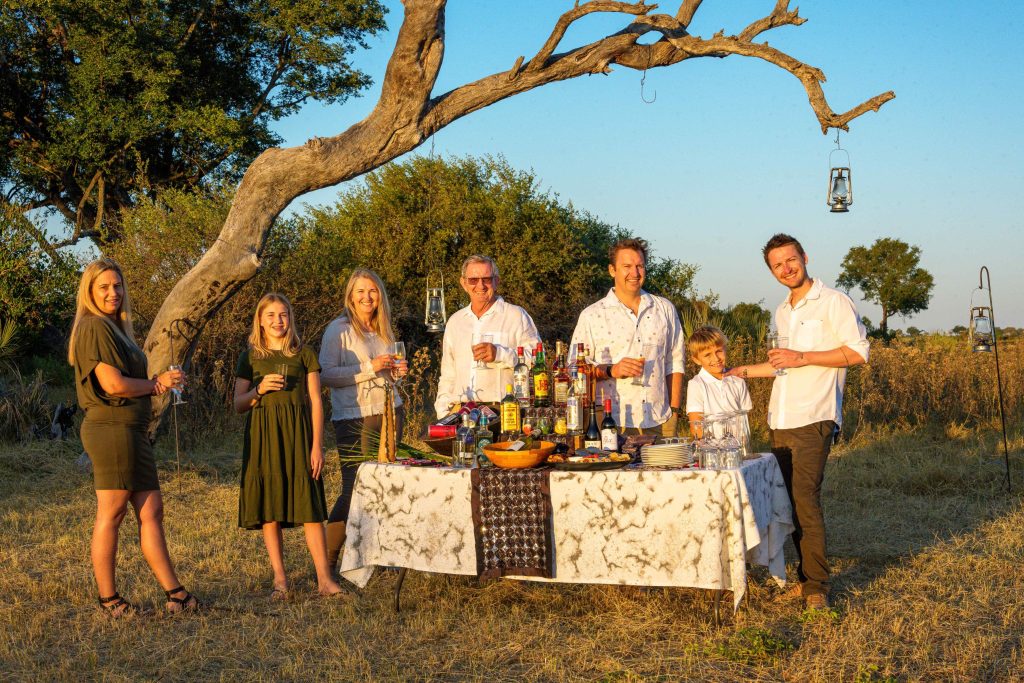
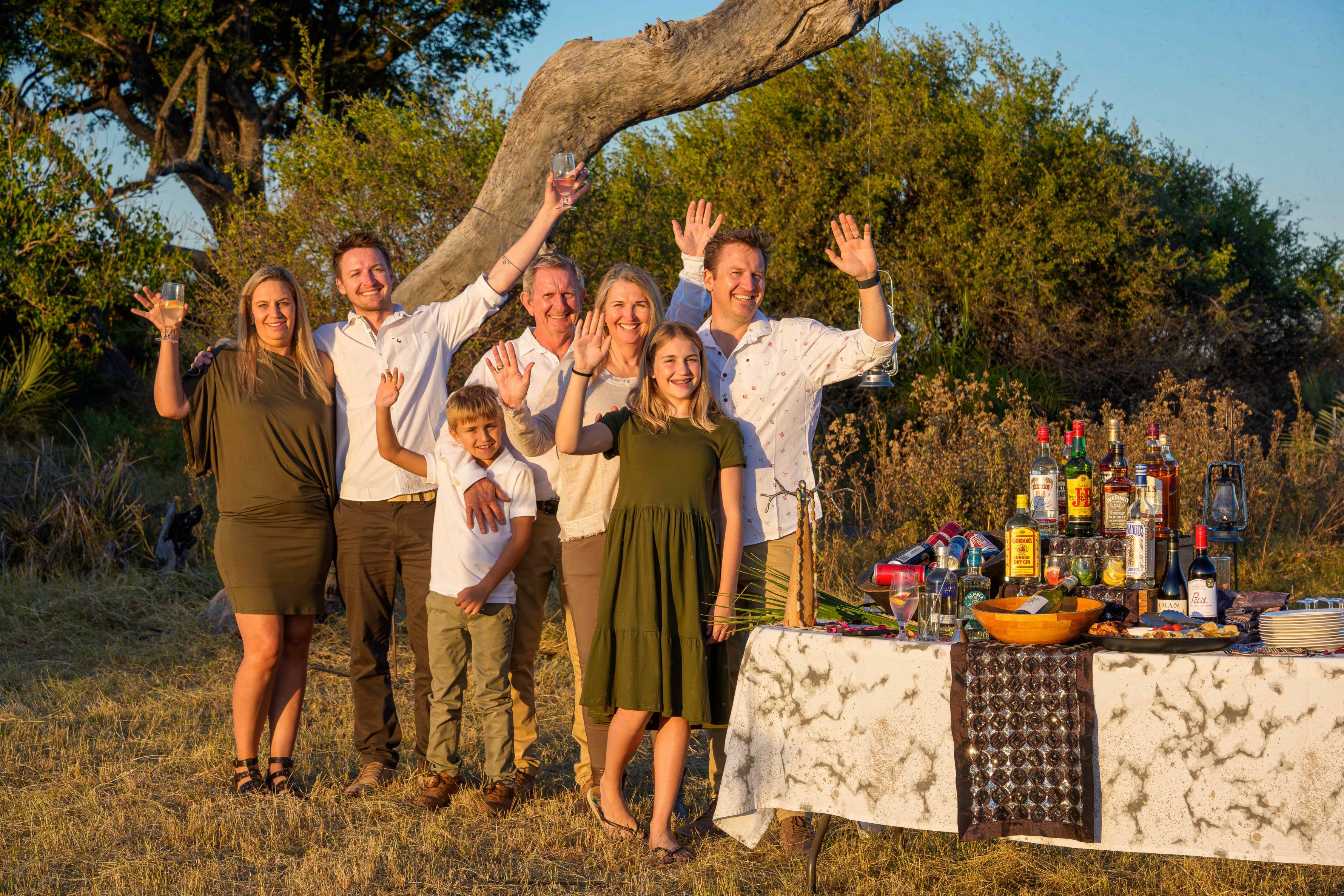
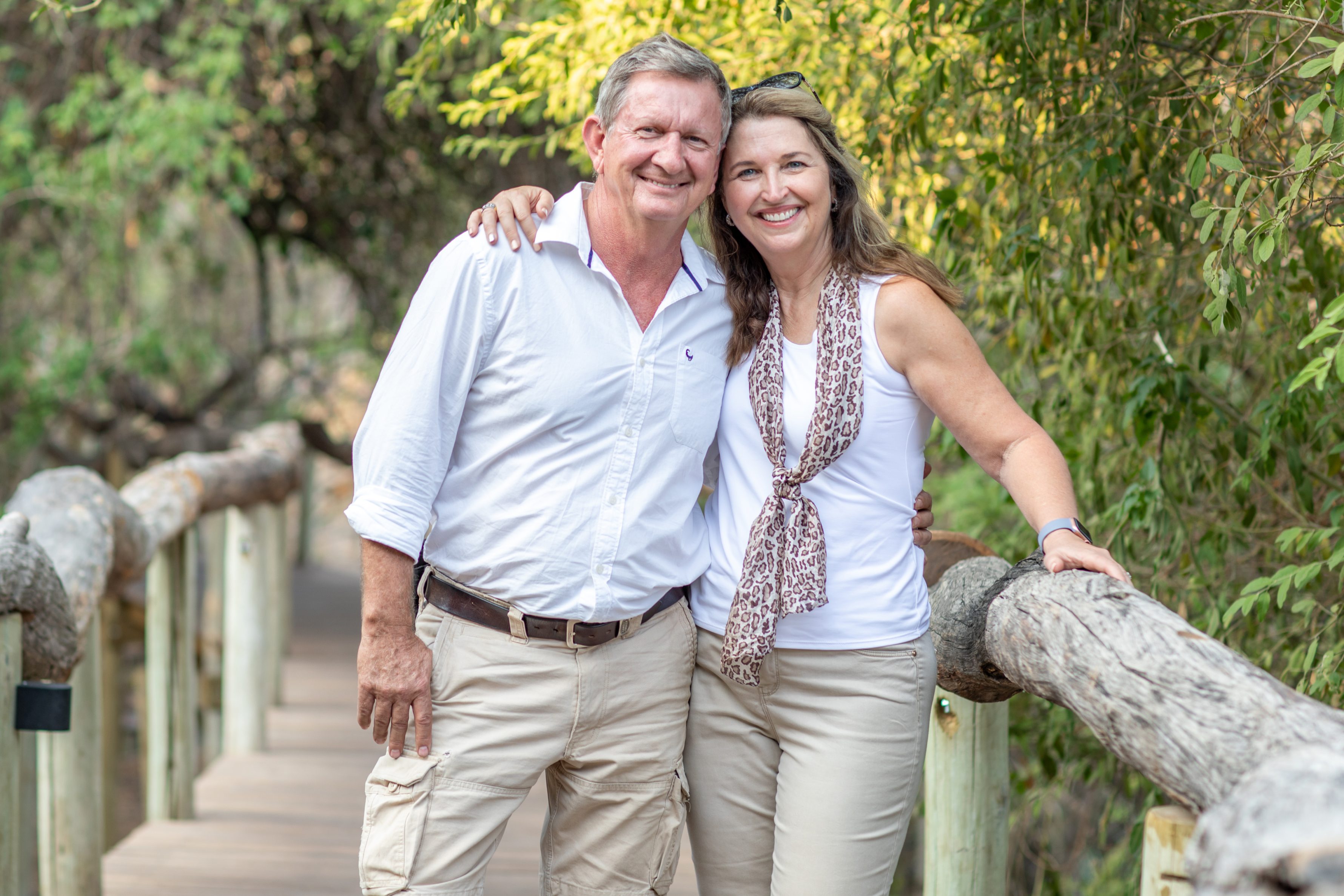
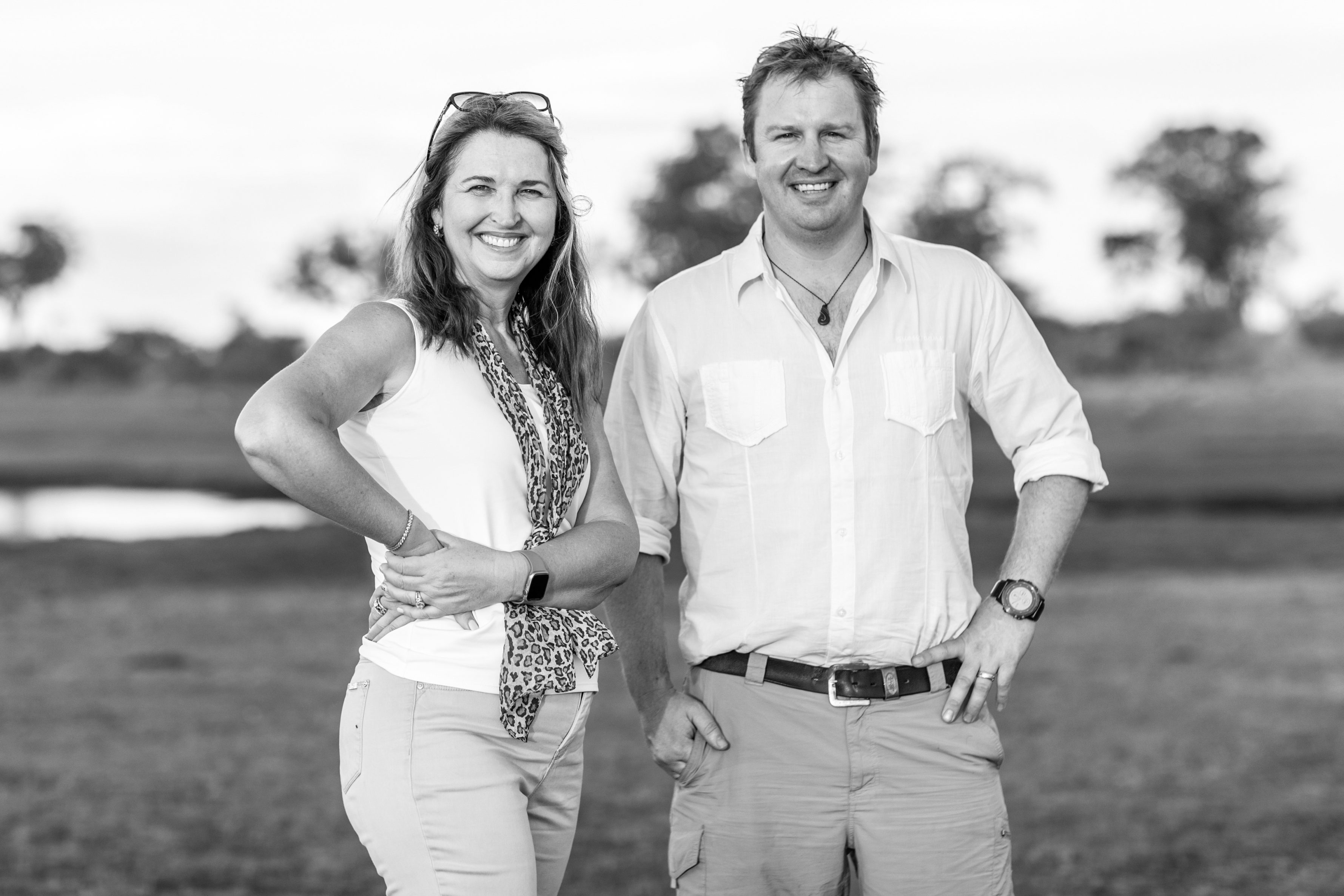
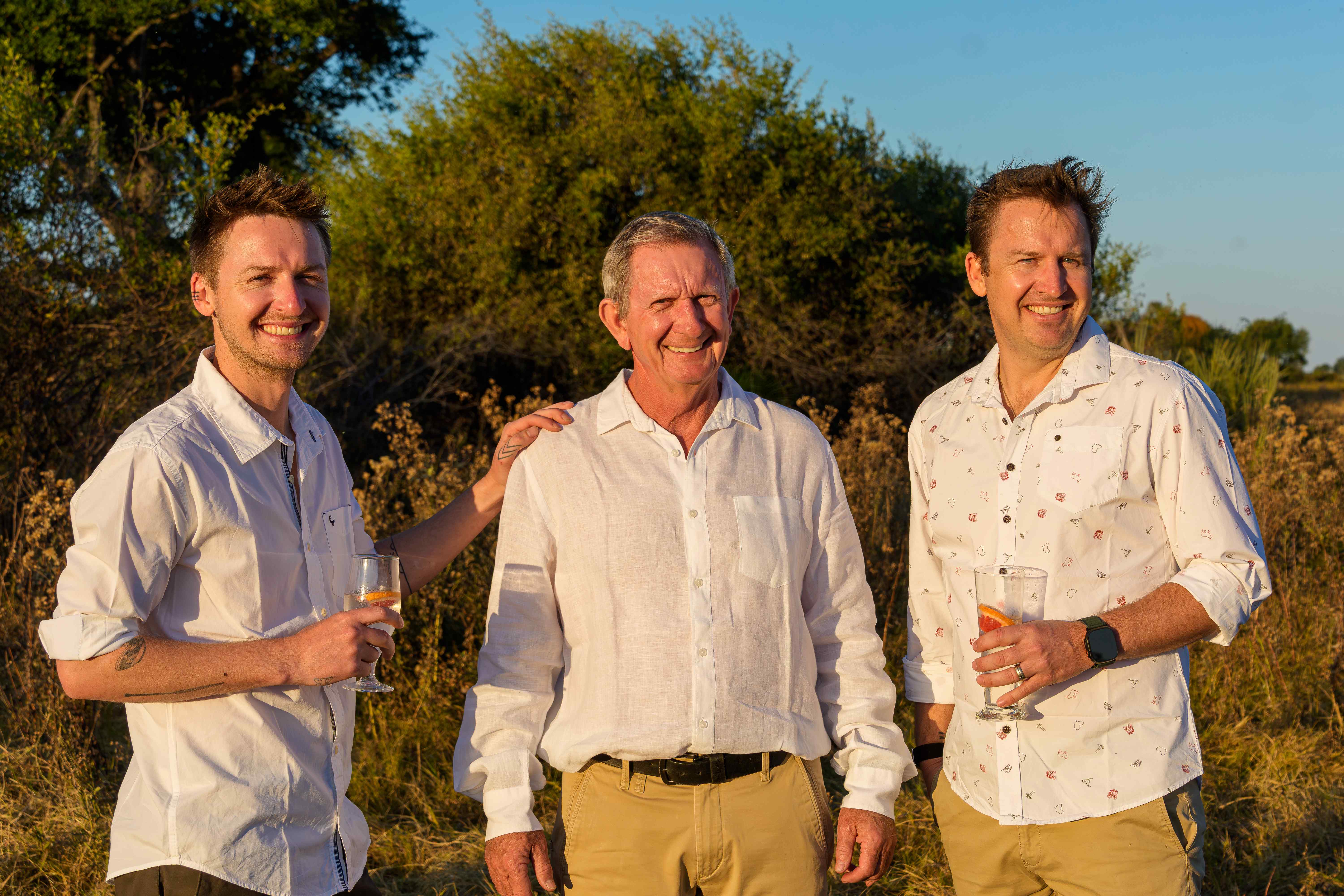
Meet David, Cathy, Martin Kays, and the rest of the family—guardians of the Jao Reserve and heirs to a legacy deeply rooted in the Okavango Delta. As one of Maun’s founding families, their story echoes the timeless rhythm of the wild.
History of the Founders
The company's founders have a rich history of involvement in the Ngamiland region of Northern Botswana, particularly in tourism and related industries. Ronald and his son David Kays were both fully initiated members of the Batawana tribe, reflecting their deep local ties and cultural integration.
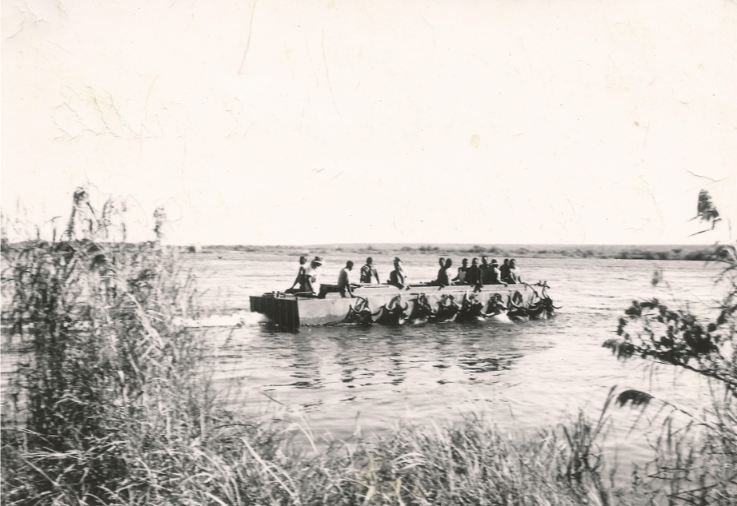
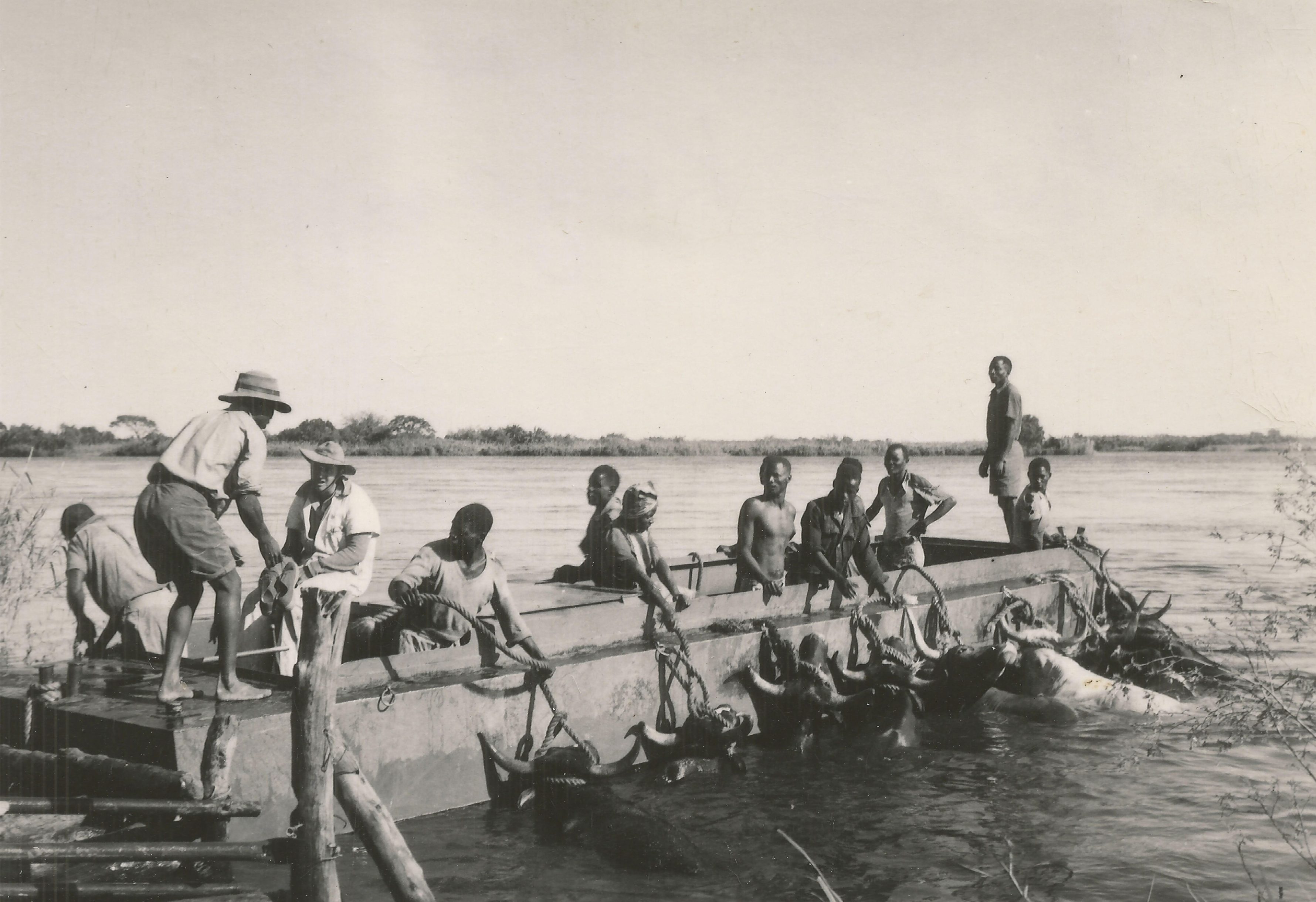
Crossing cattle across the Zambezi River to get to the market in Livingstone
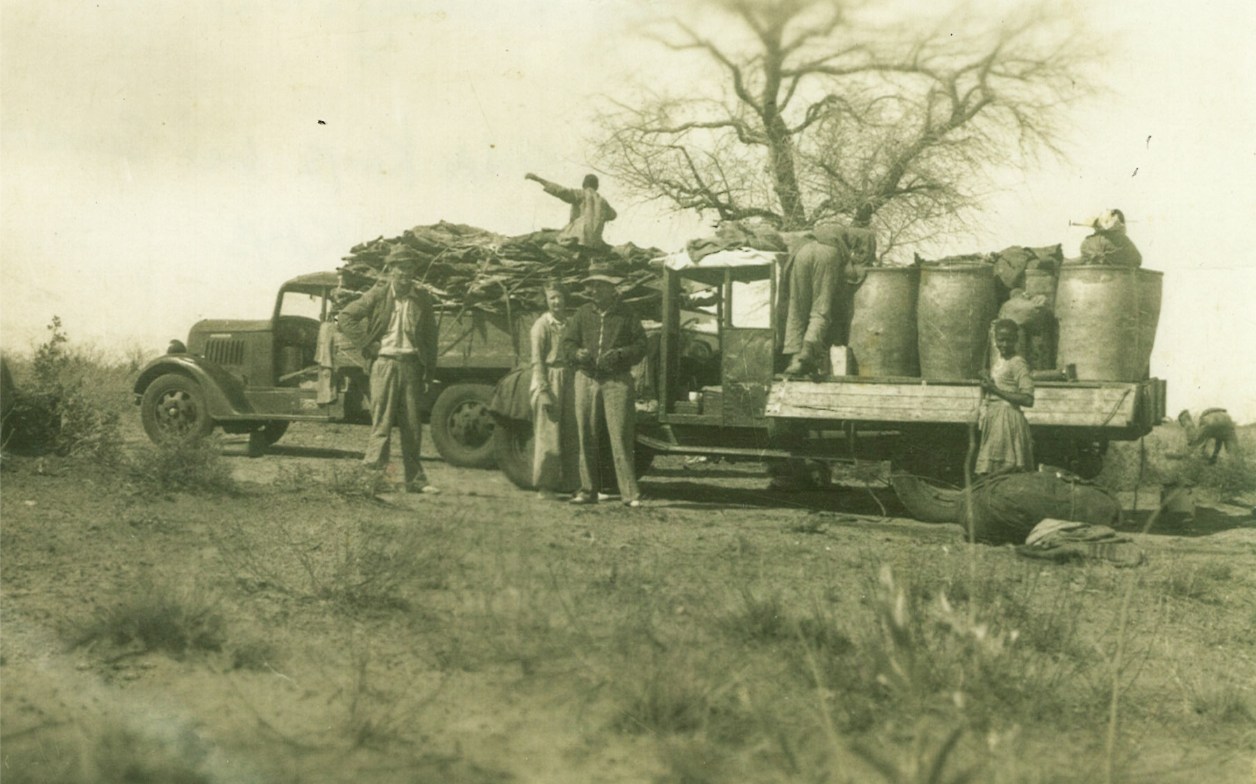
Cattle Transport
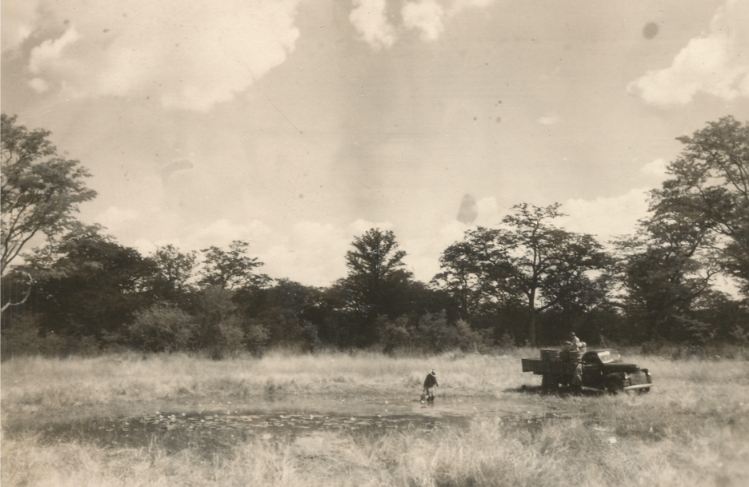
Fetching Water
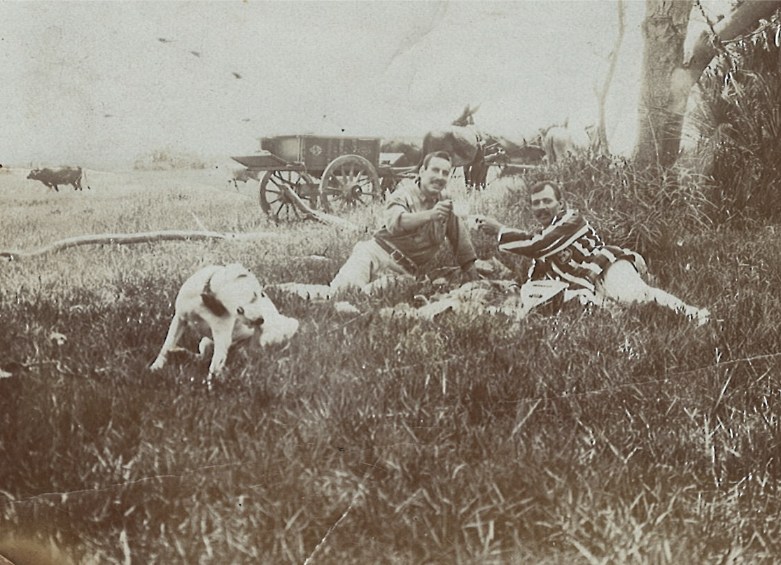
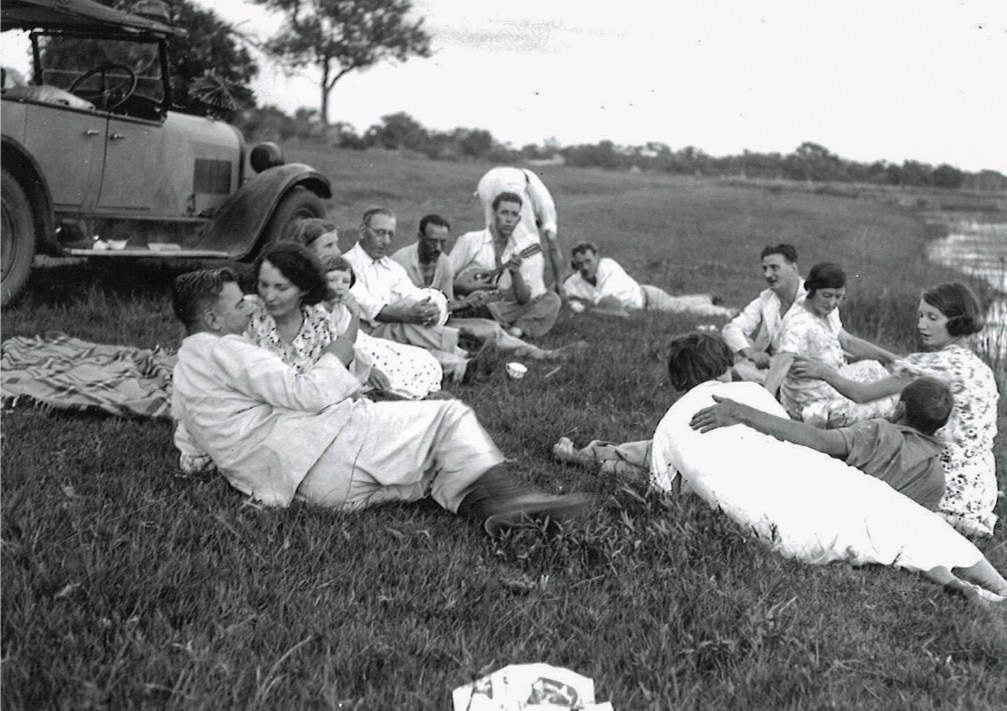
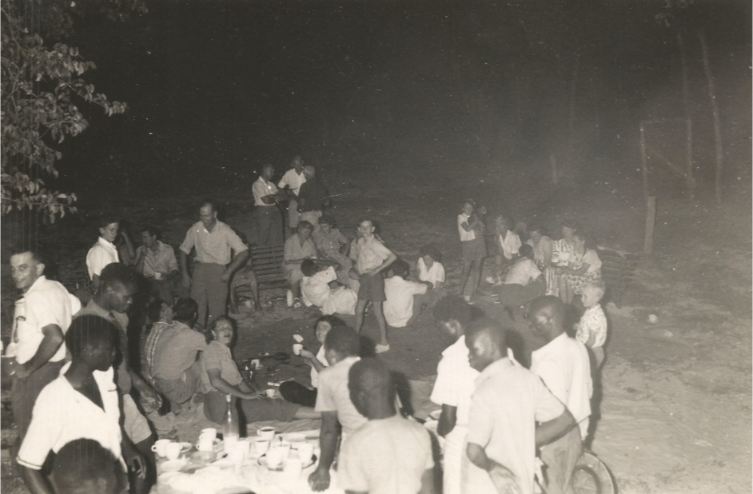
Get Together
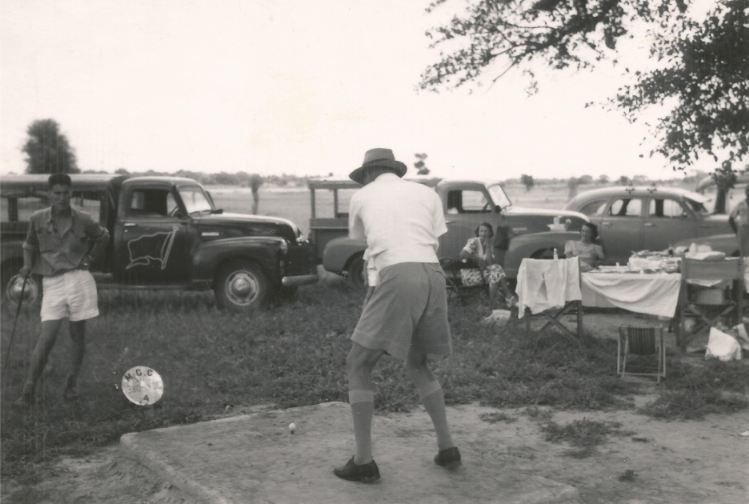
Maun Golf day
Voden Car - Jim Riley
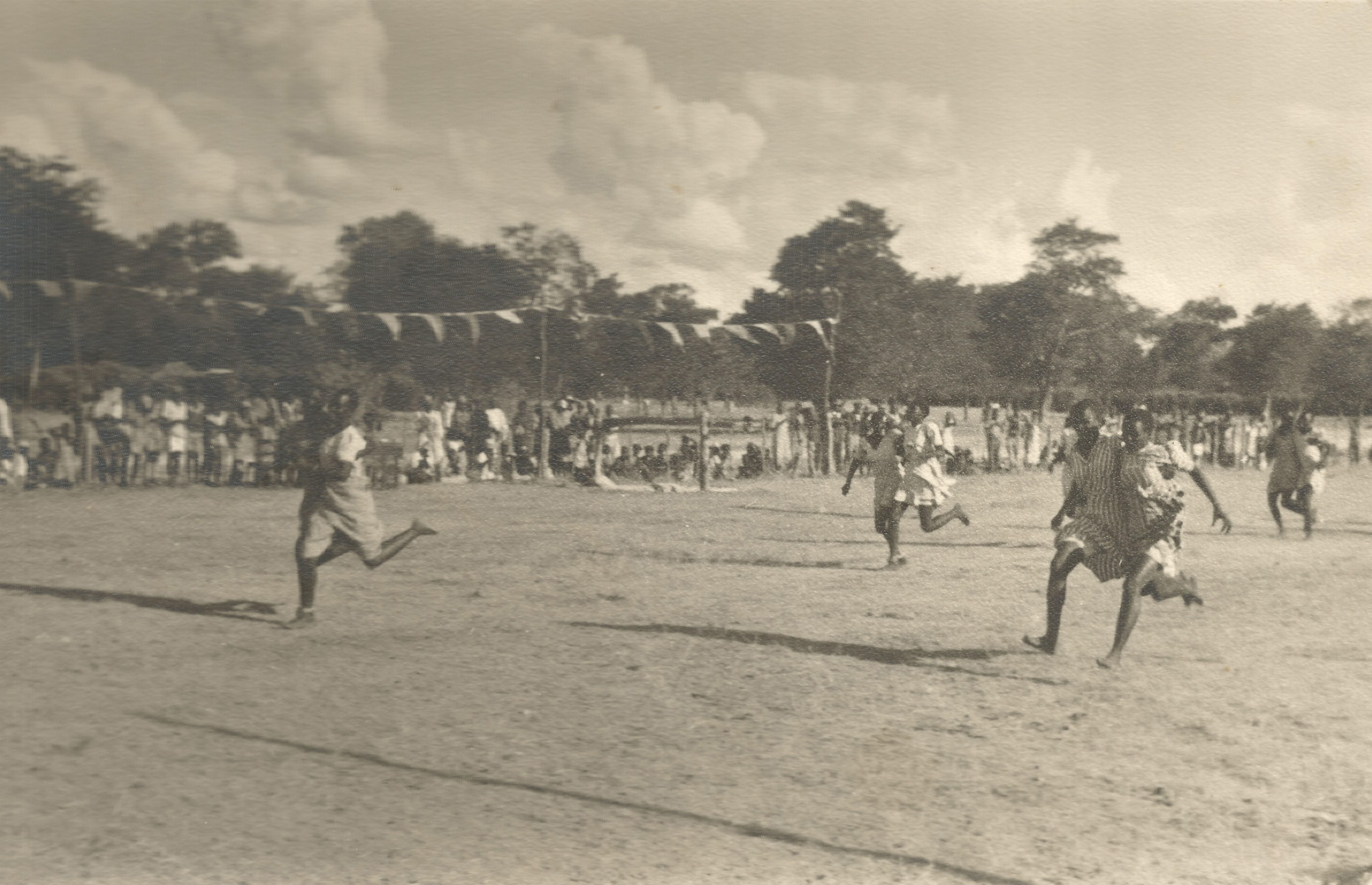
Maun sports event
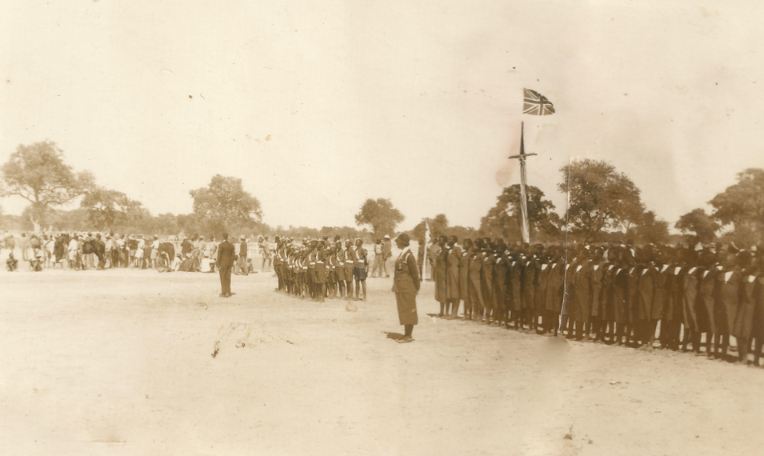
Hoist the Flag
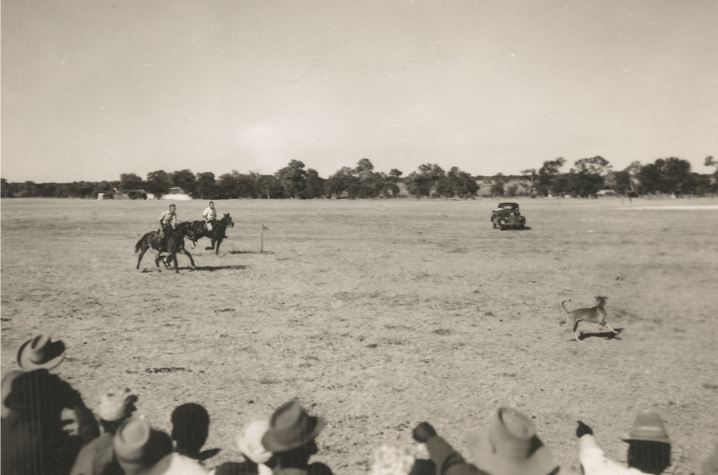
Horse Racing
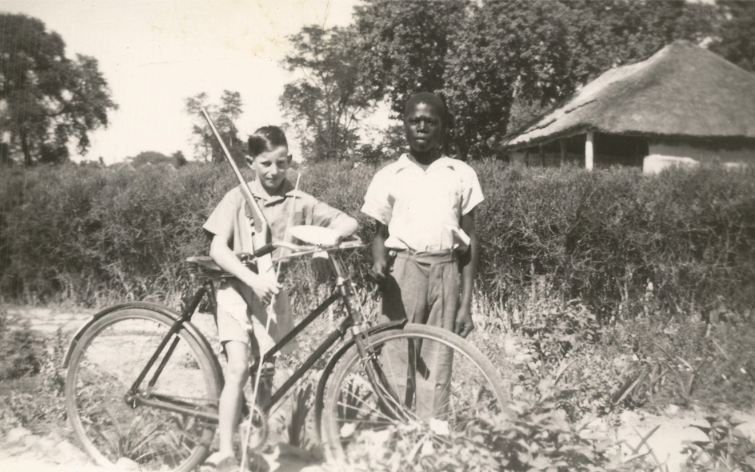
Hunting with Bicycle
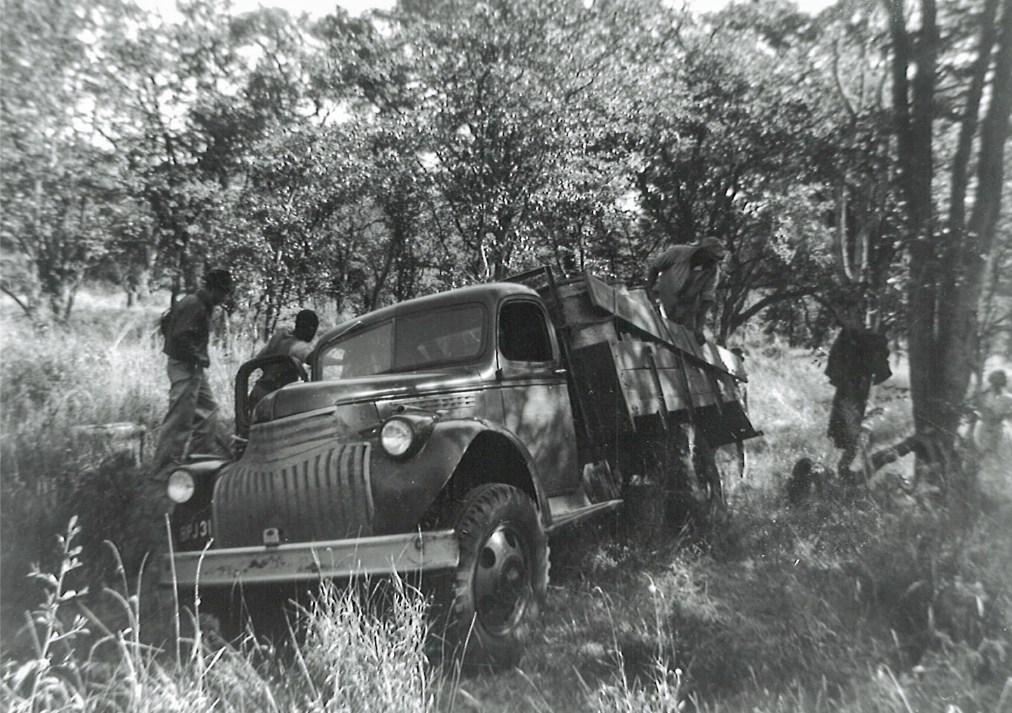
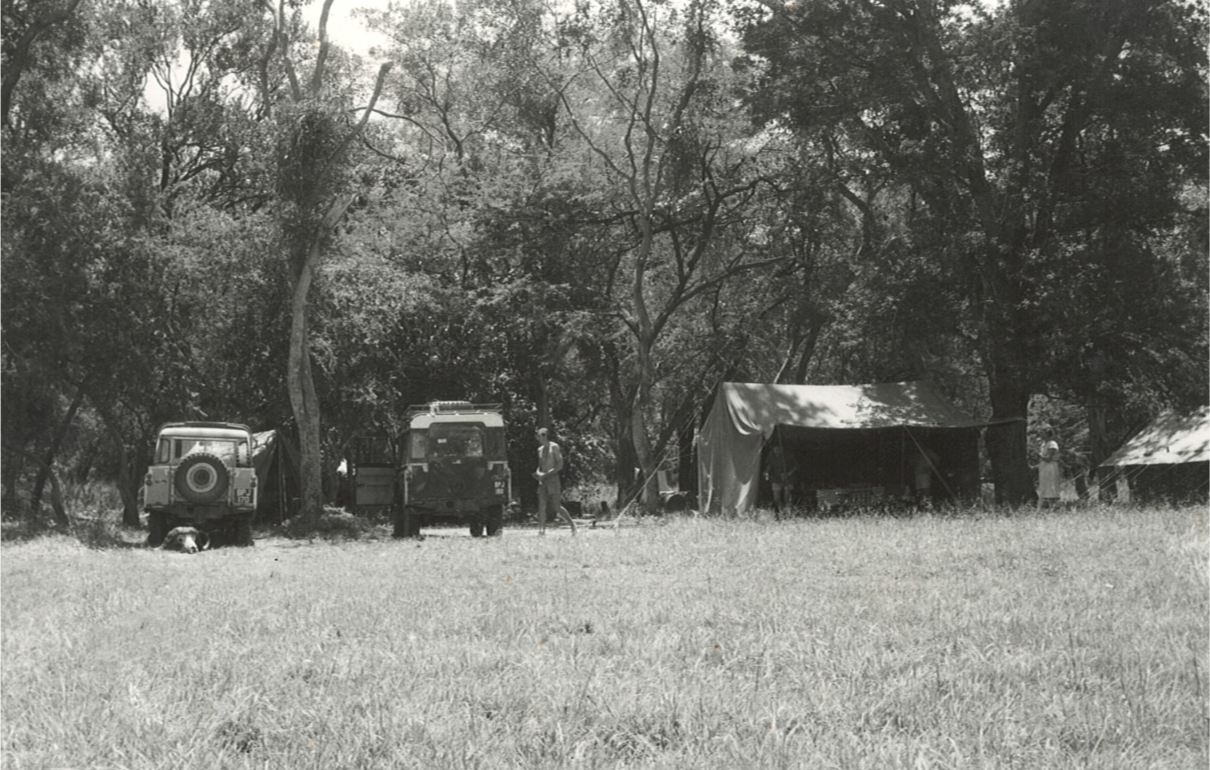
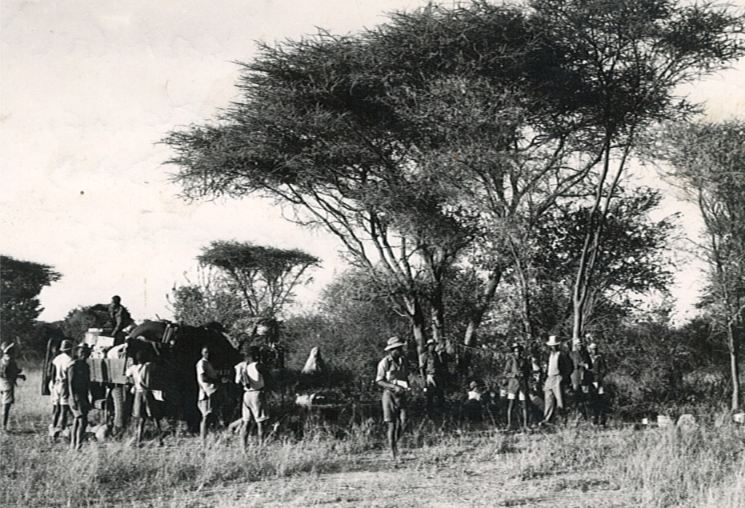
Kwando camping trip
Matlapaneng Bridge, Maun
Matlapaneng
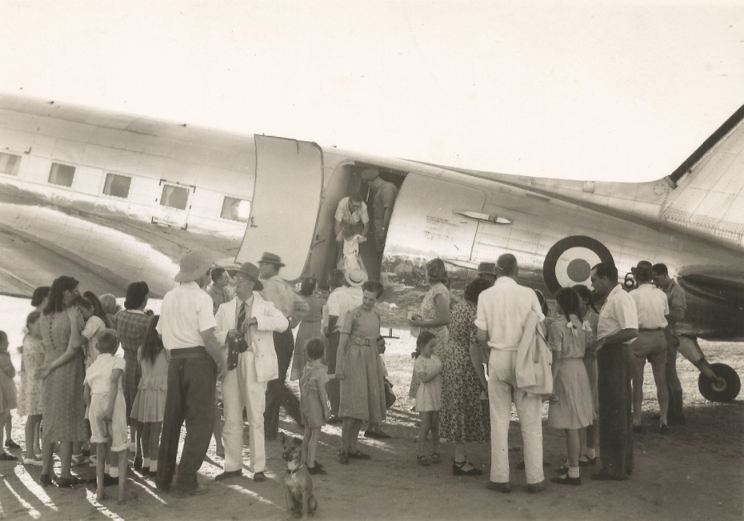
Plane disembarking in Maun
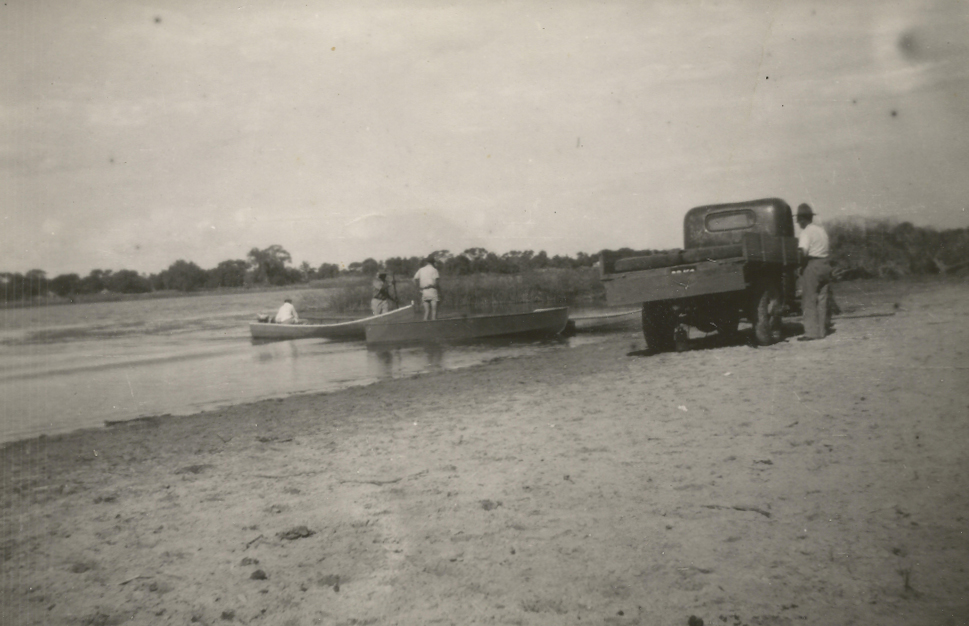
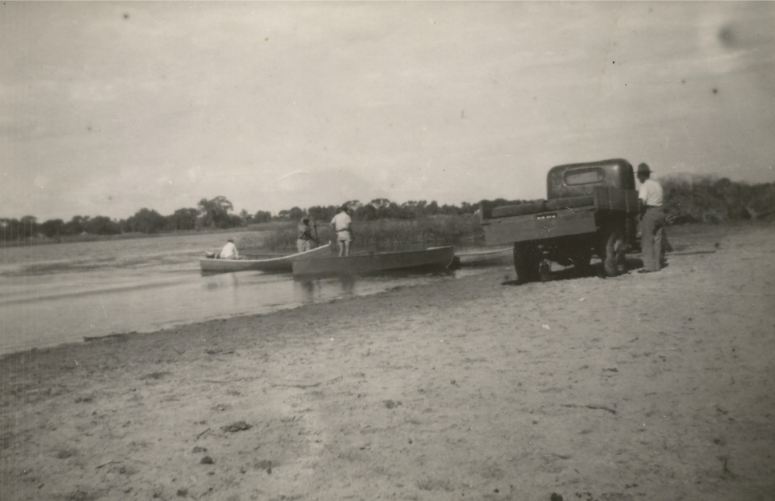
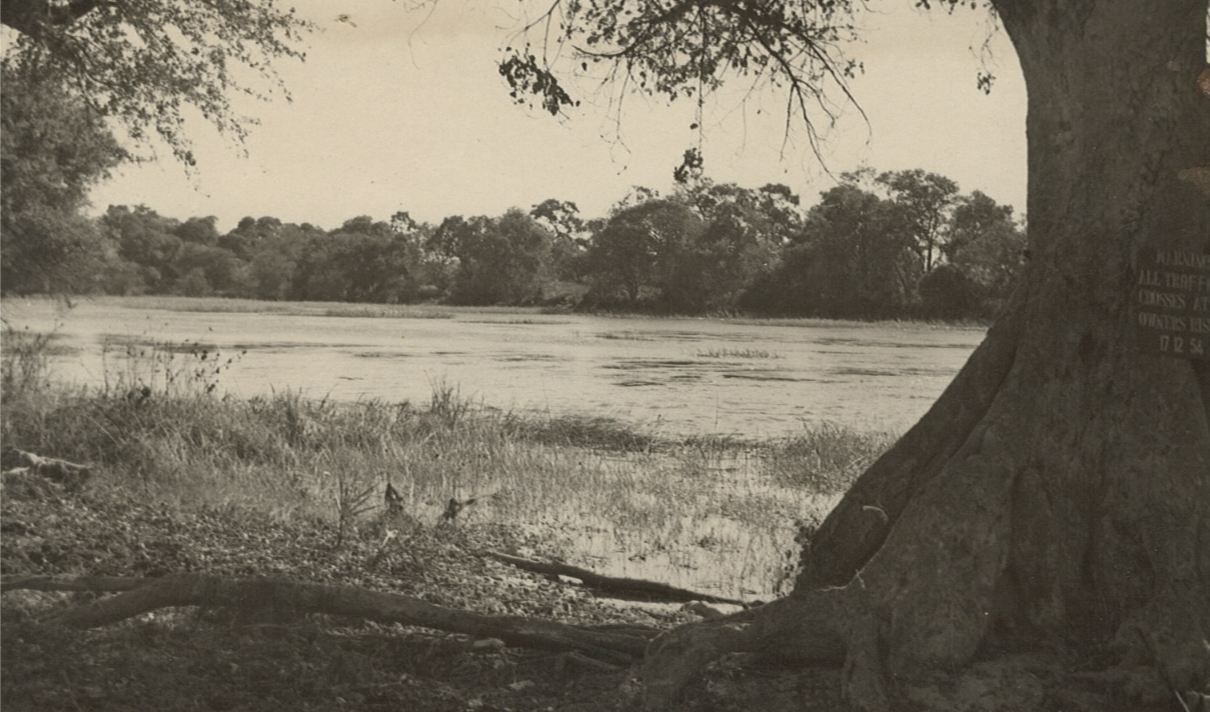
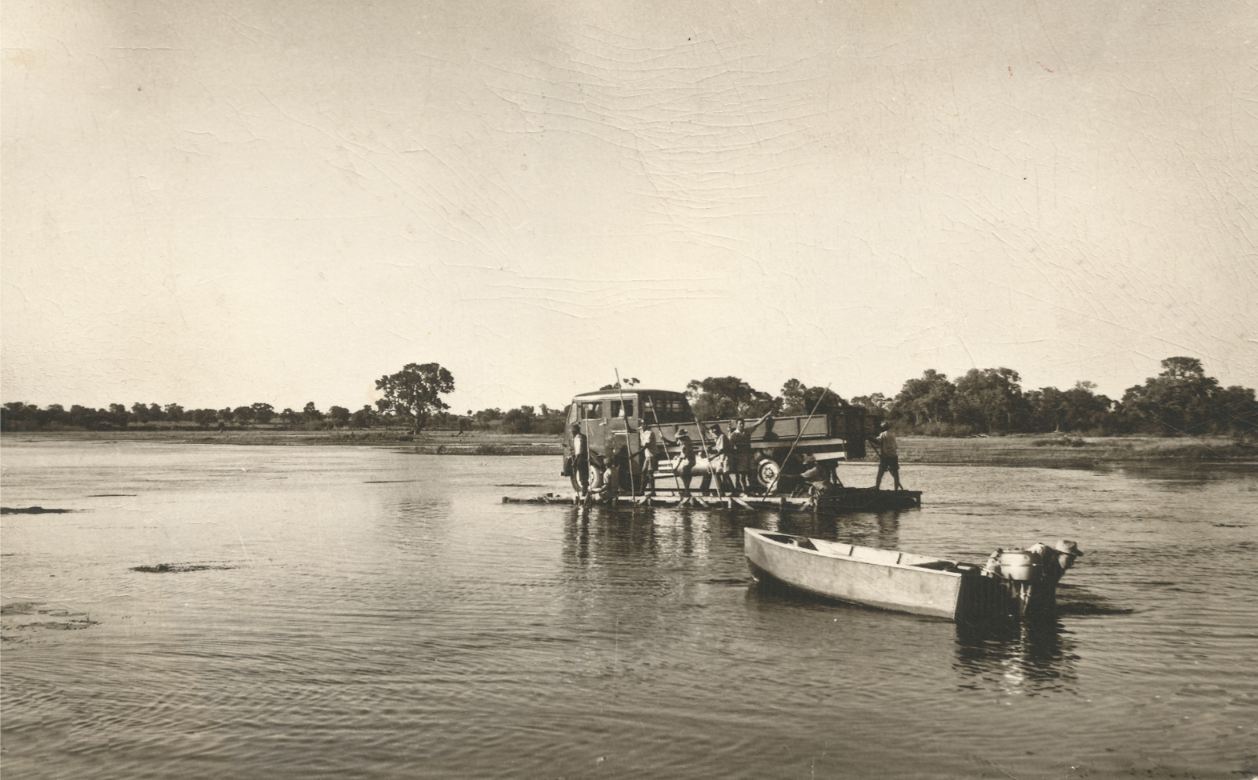
Truck crossing the Thamalakane River in Maun by Pontoon
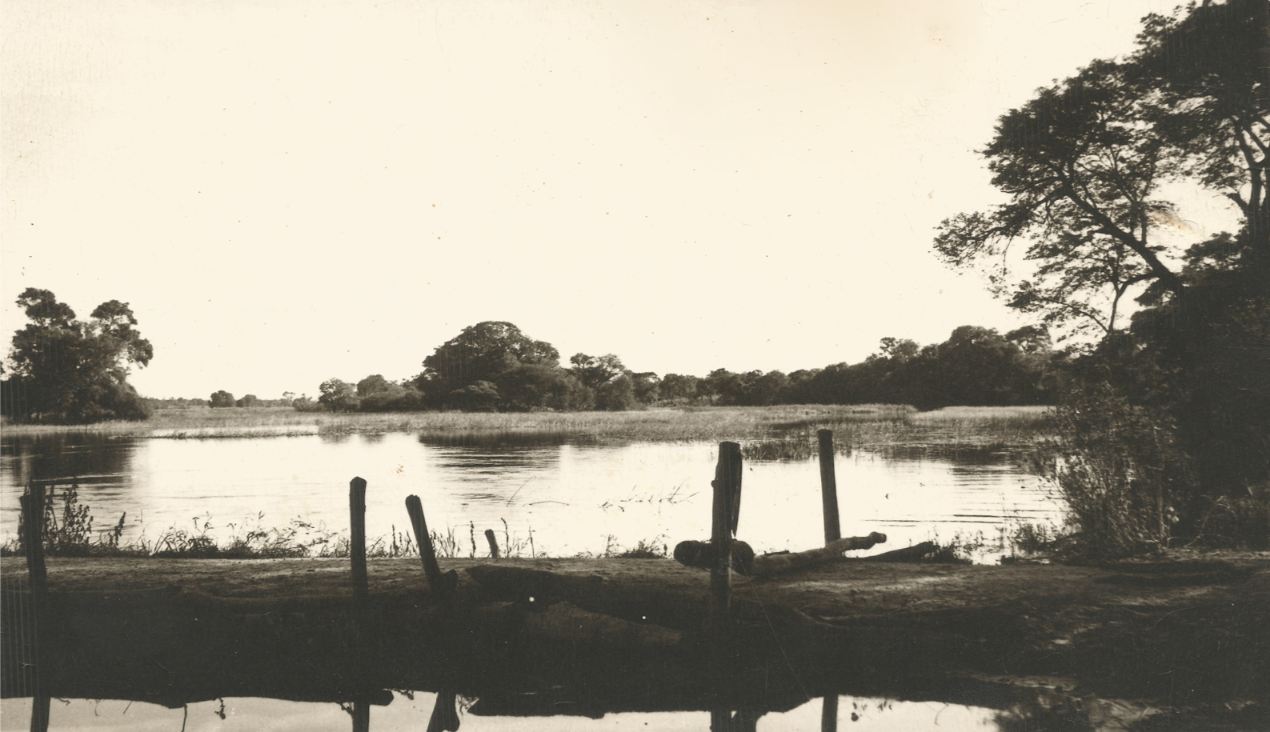
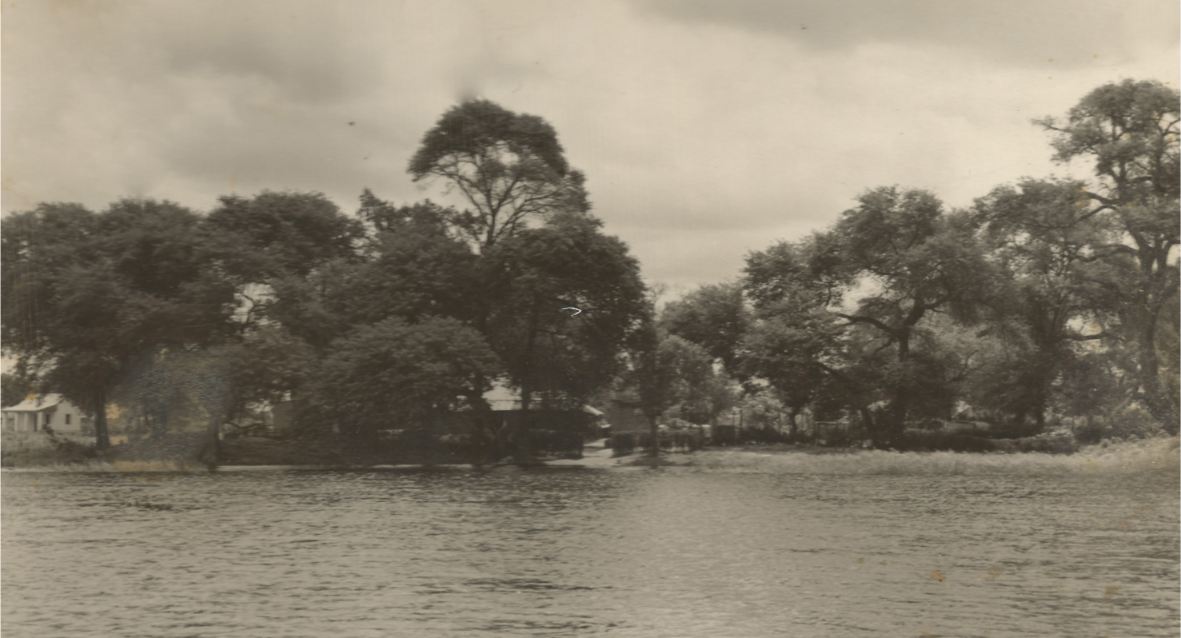
Flooded Thamalakane River in front of Riley’s Hotel, Maun, 1955
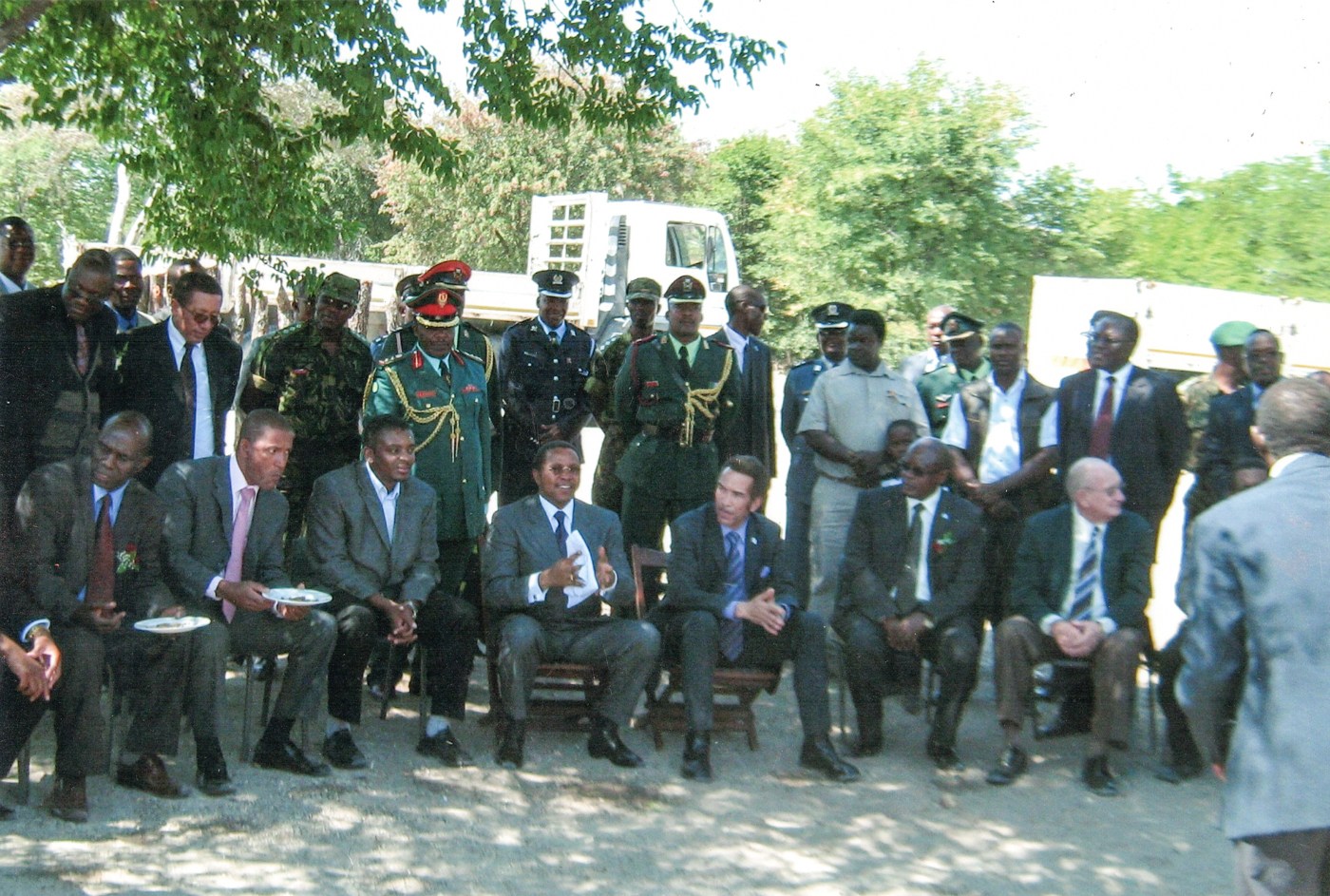
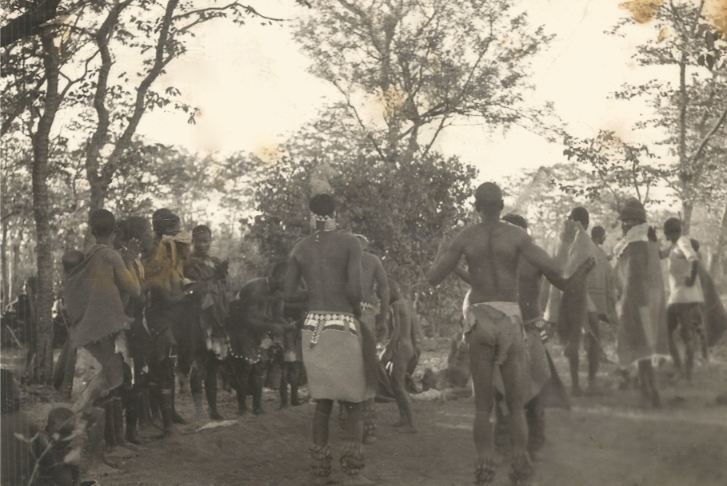
Cultural exchange, Maun
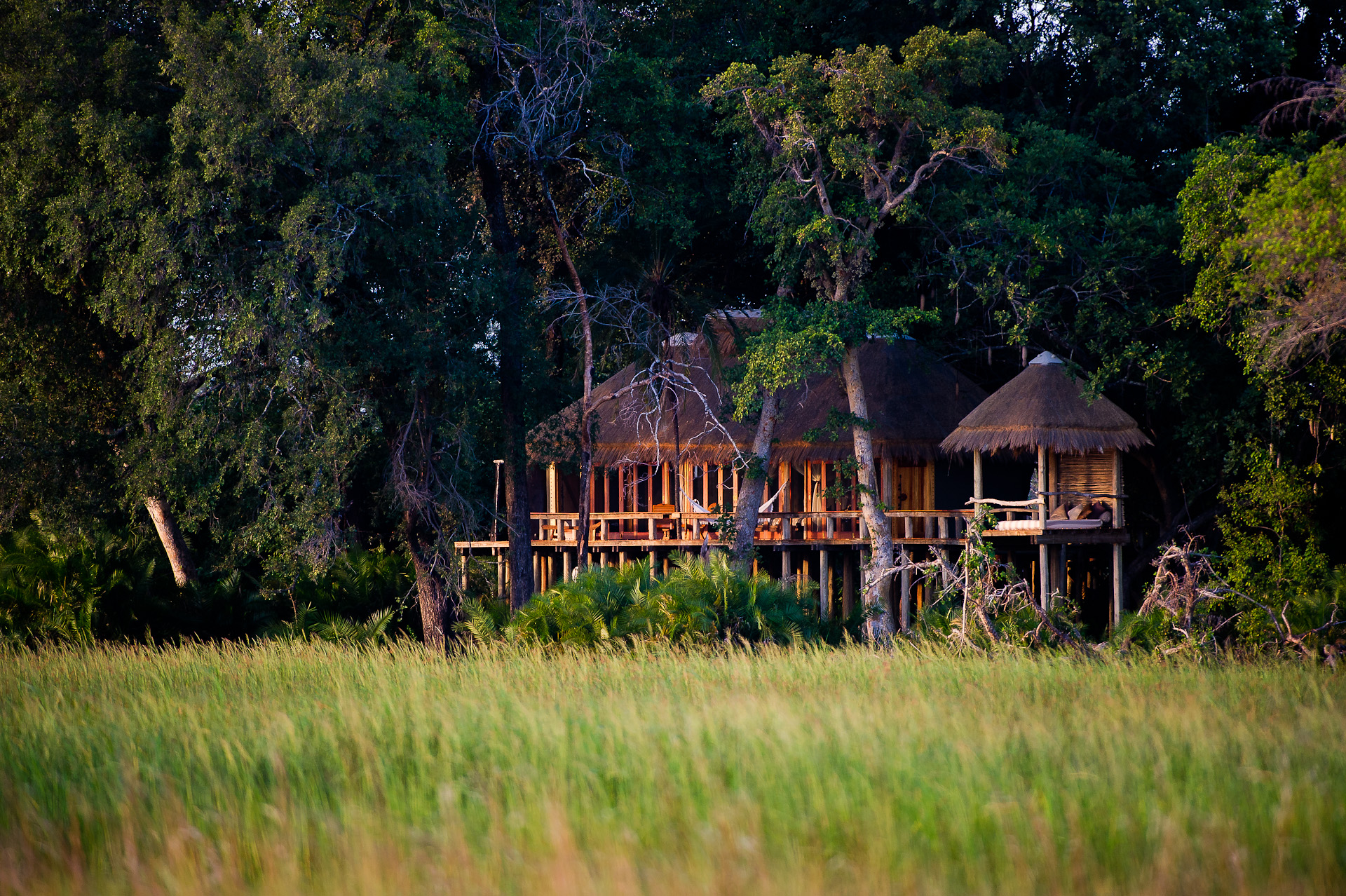
Jao Camp room 2010
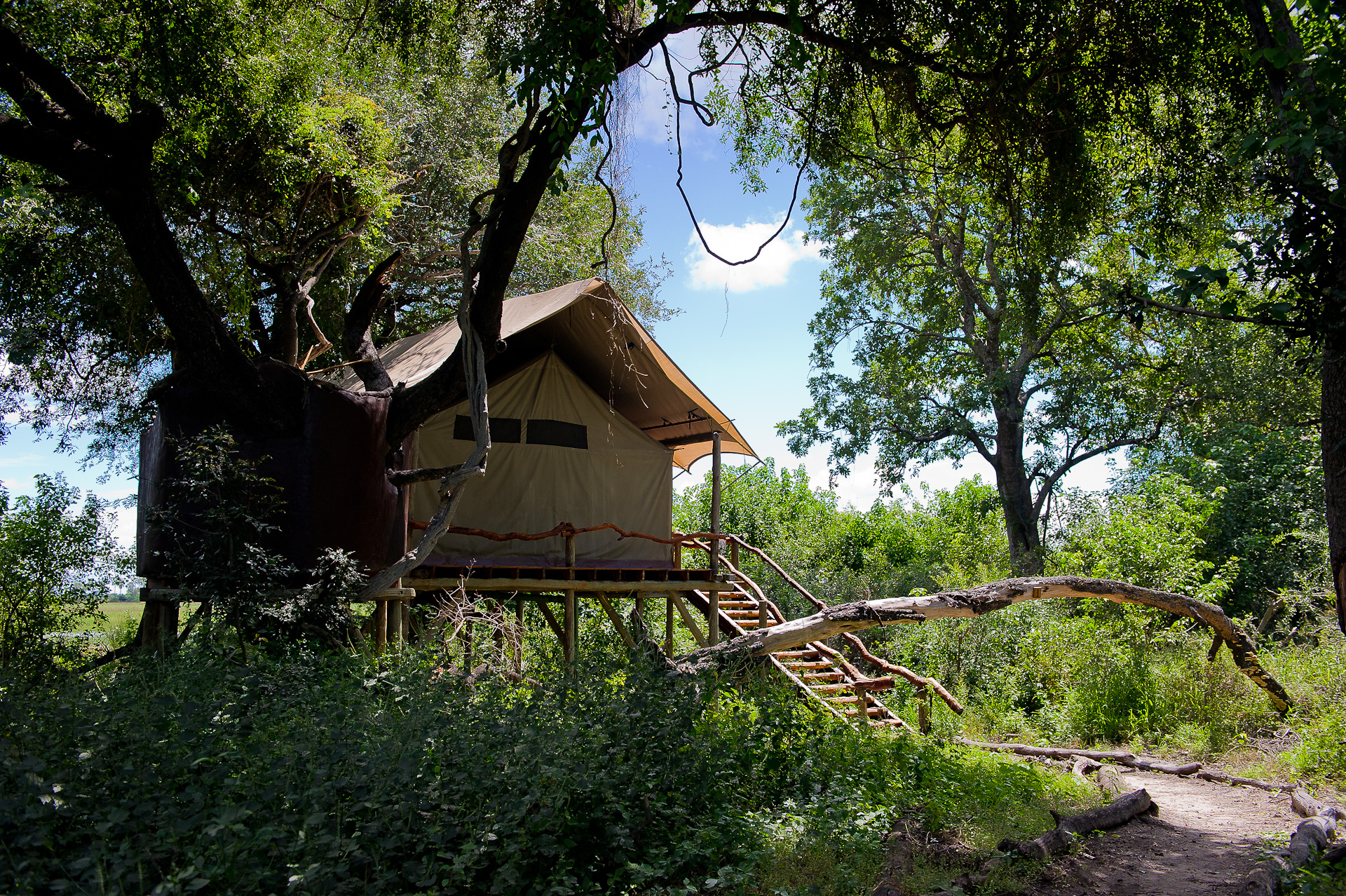
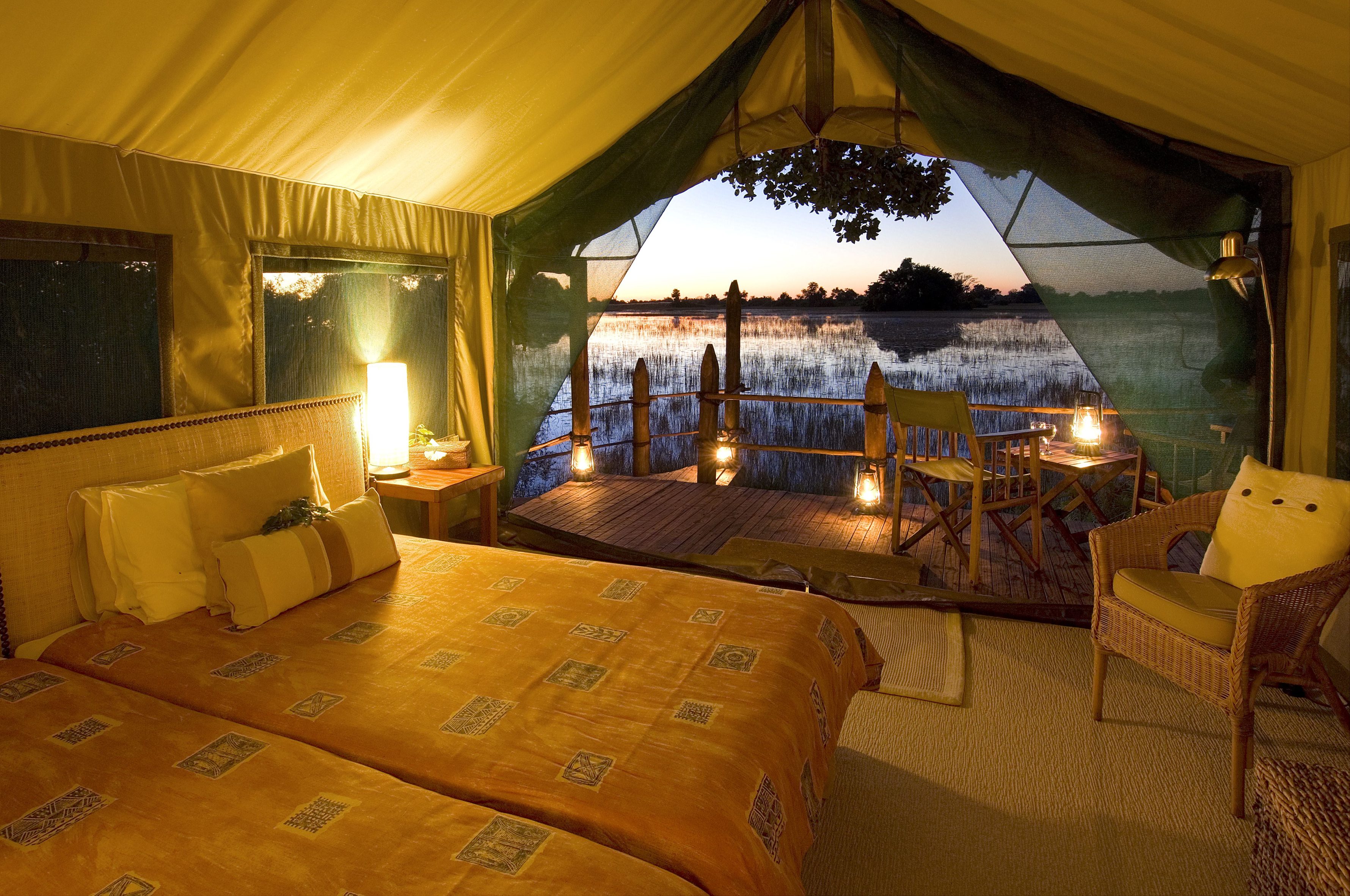
Tubu Tree Camp Tent 2010
Kwetsani Camp room 2010
Kwetsani Camp room 2008
Jao Camp Room 2003
Kwetsani Camp Main Area 2010
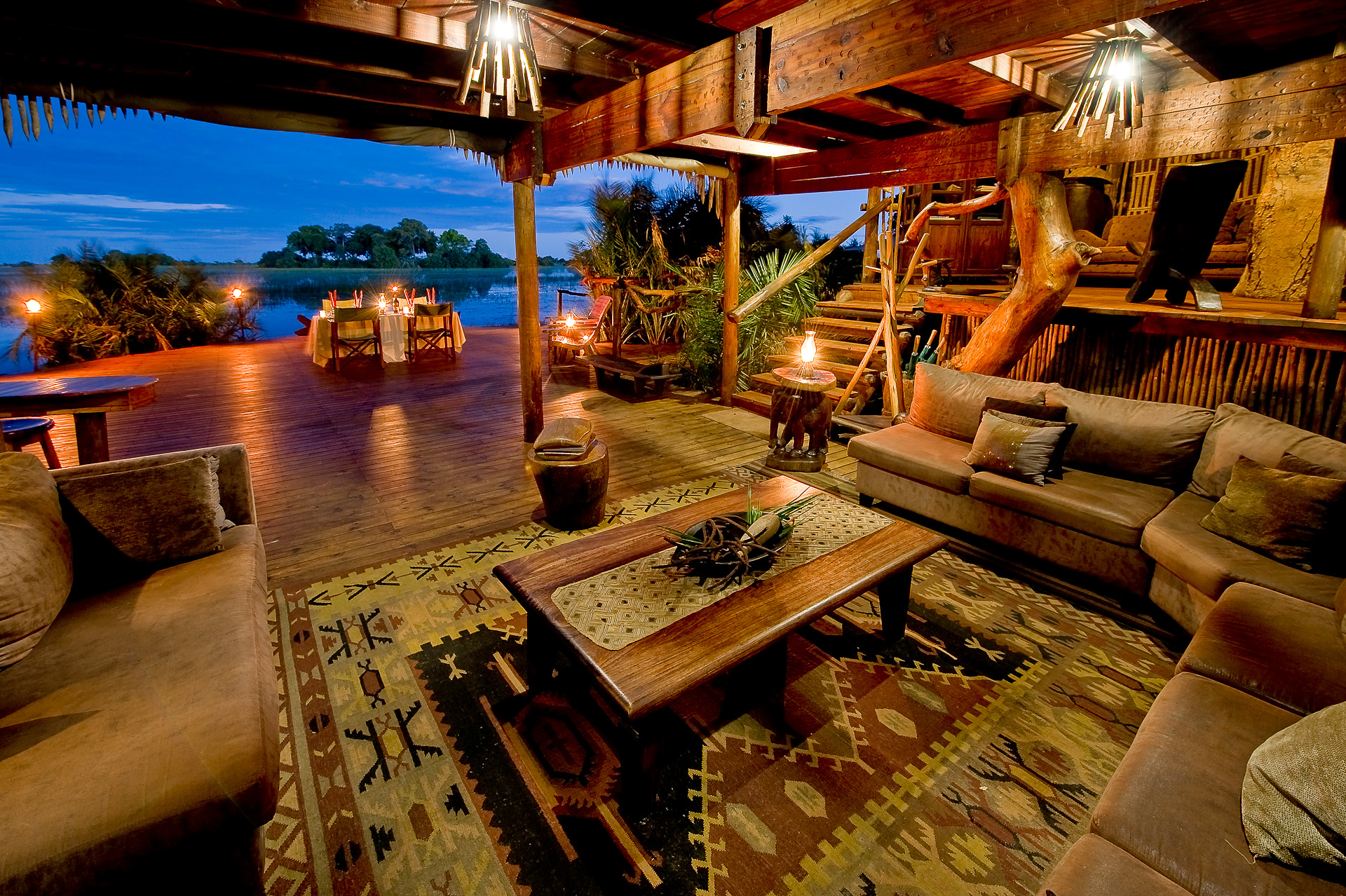
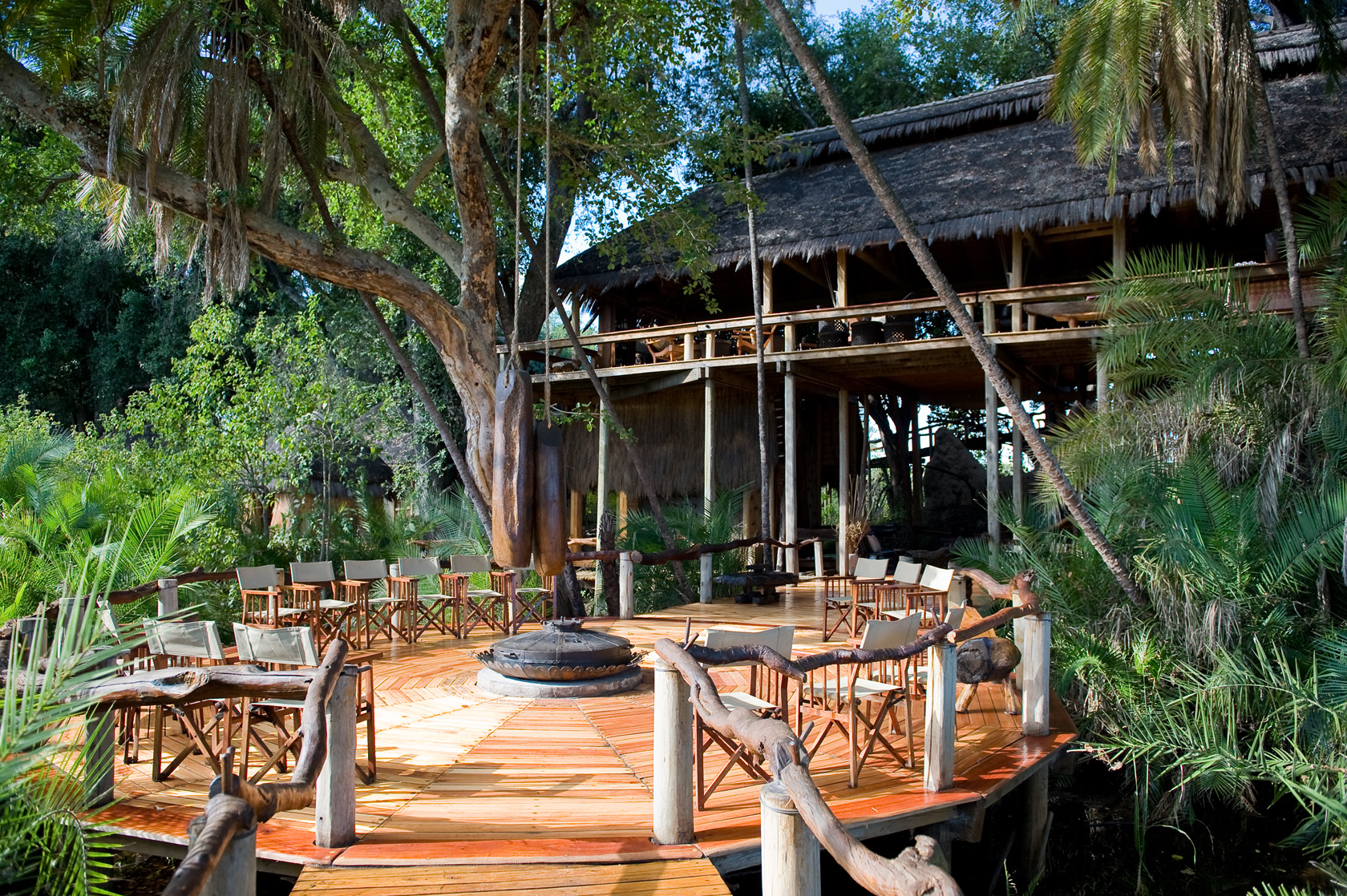
Jao Camp Main Area 2008
Jacana Camp Main Area 2006
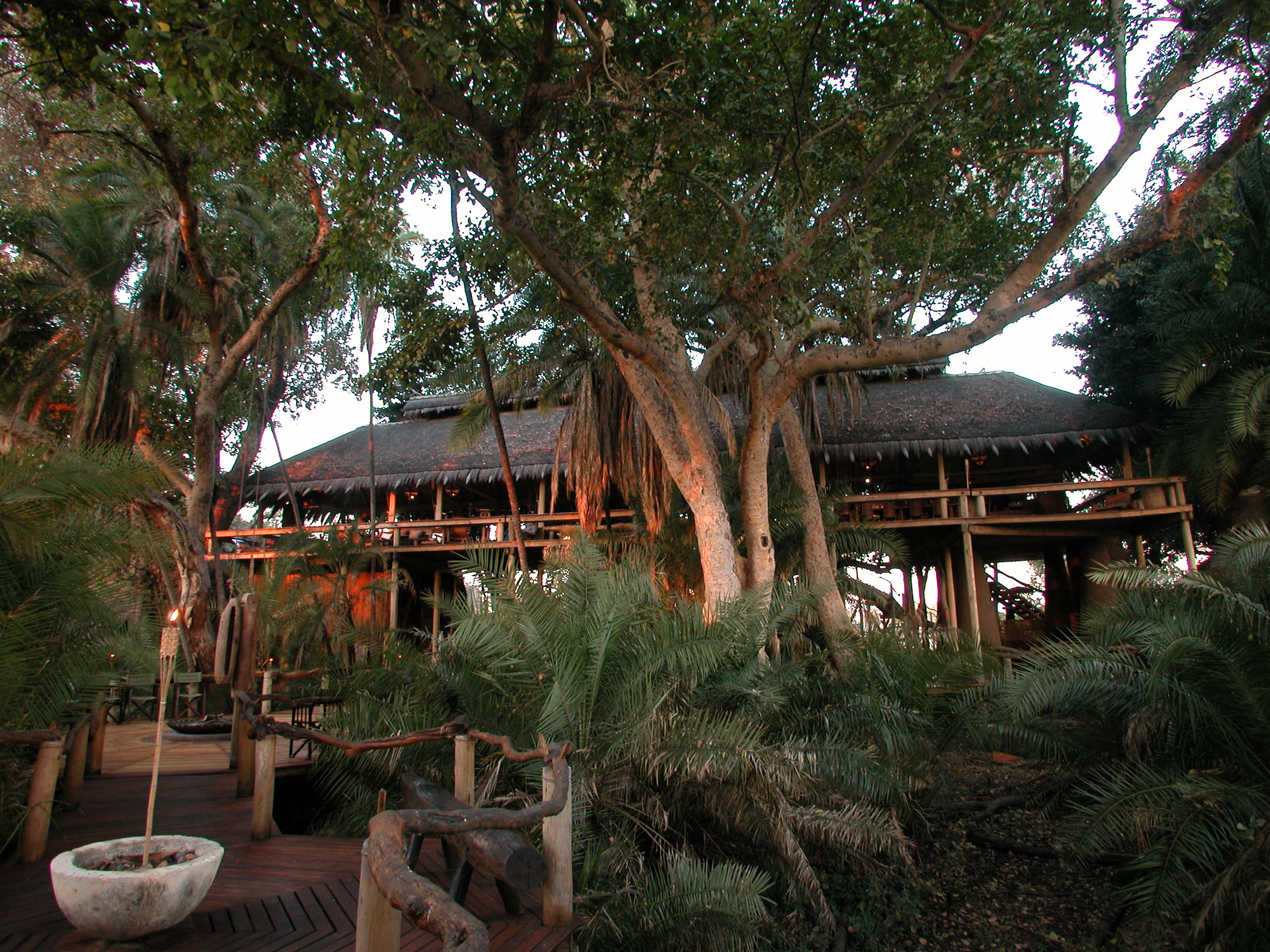
Jao Camp Main Area 2008
Jacana Camp Main Area 2010
Jacana Camp Main Area 2003
Jacana Tent 2006
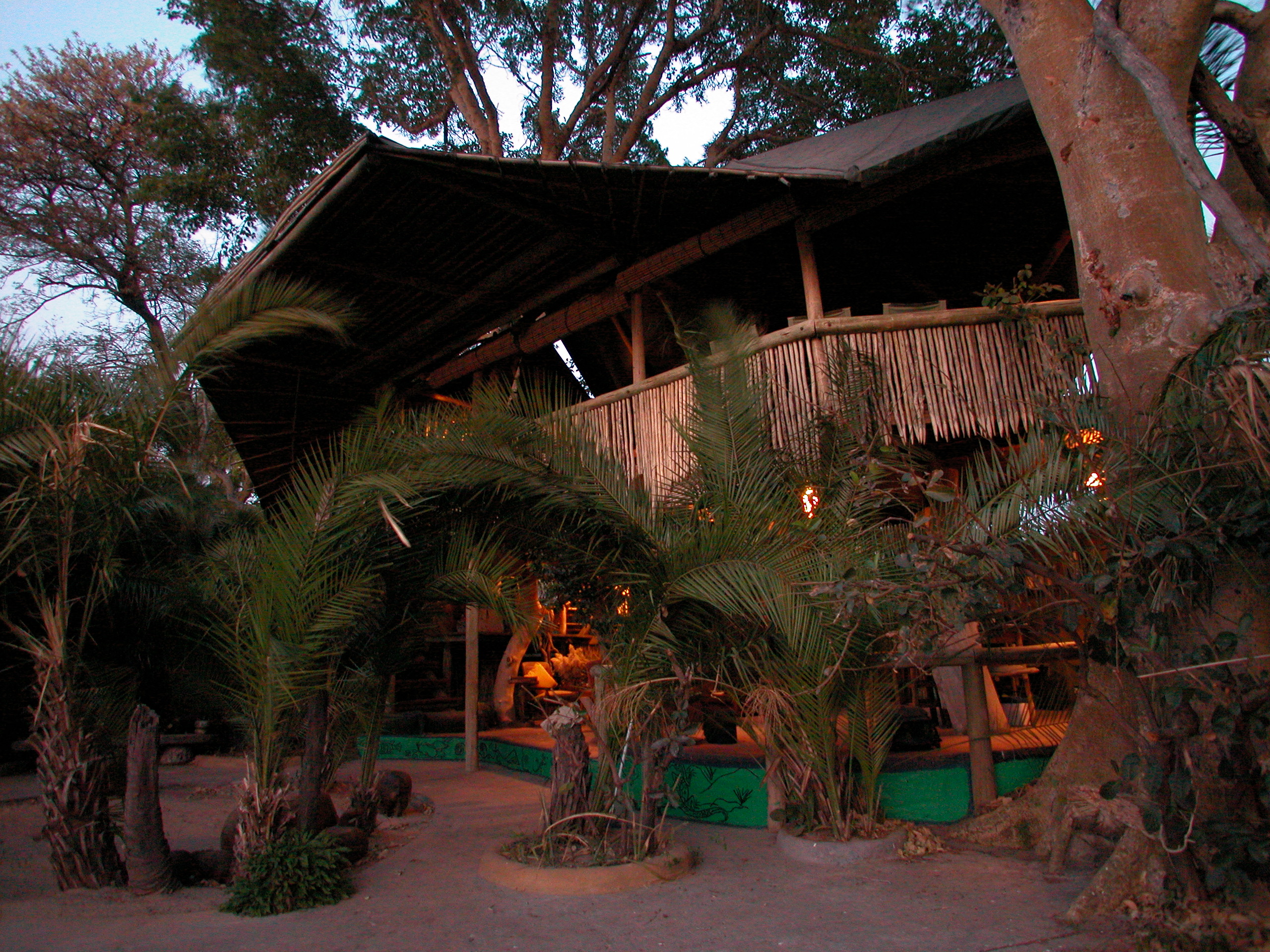
Tubu Tree Camp Main Area 2010
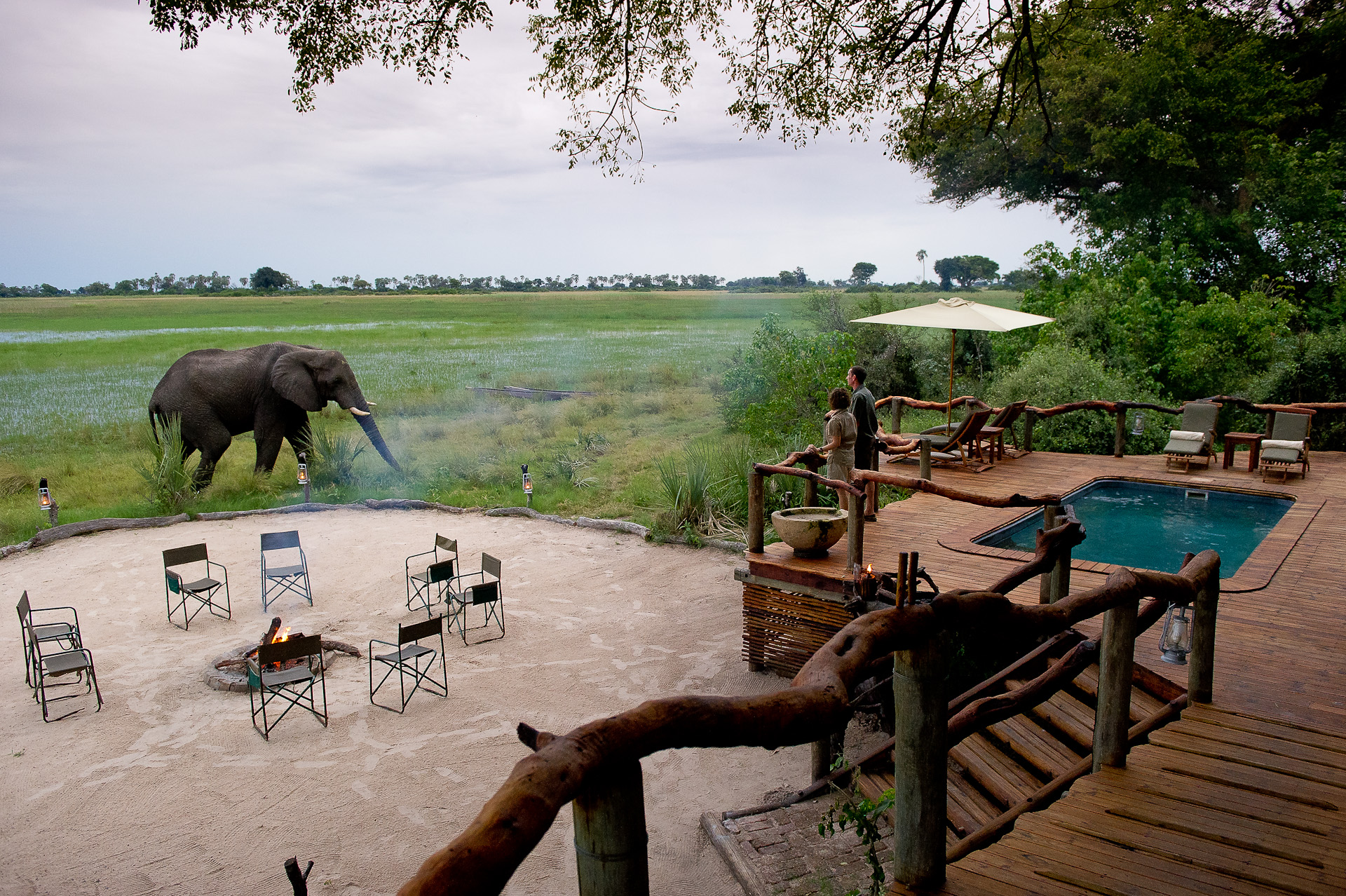
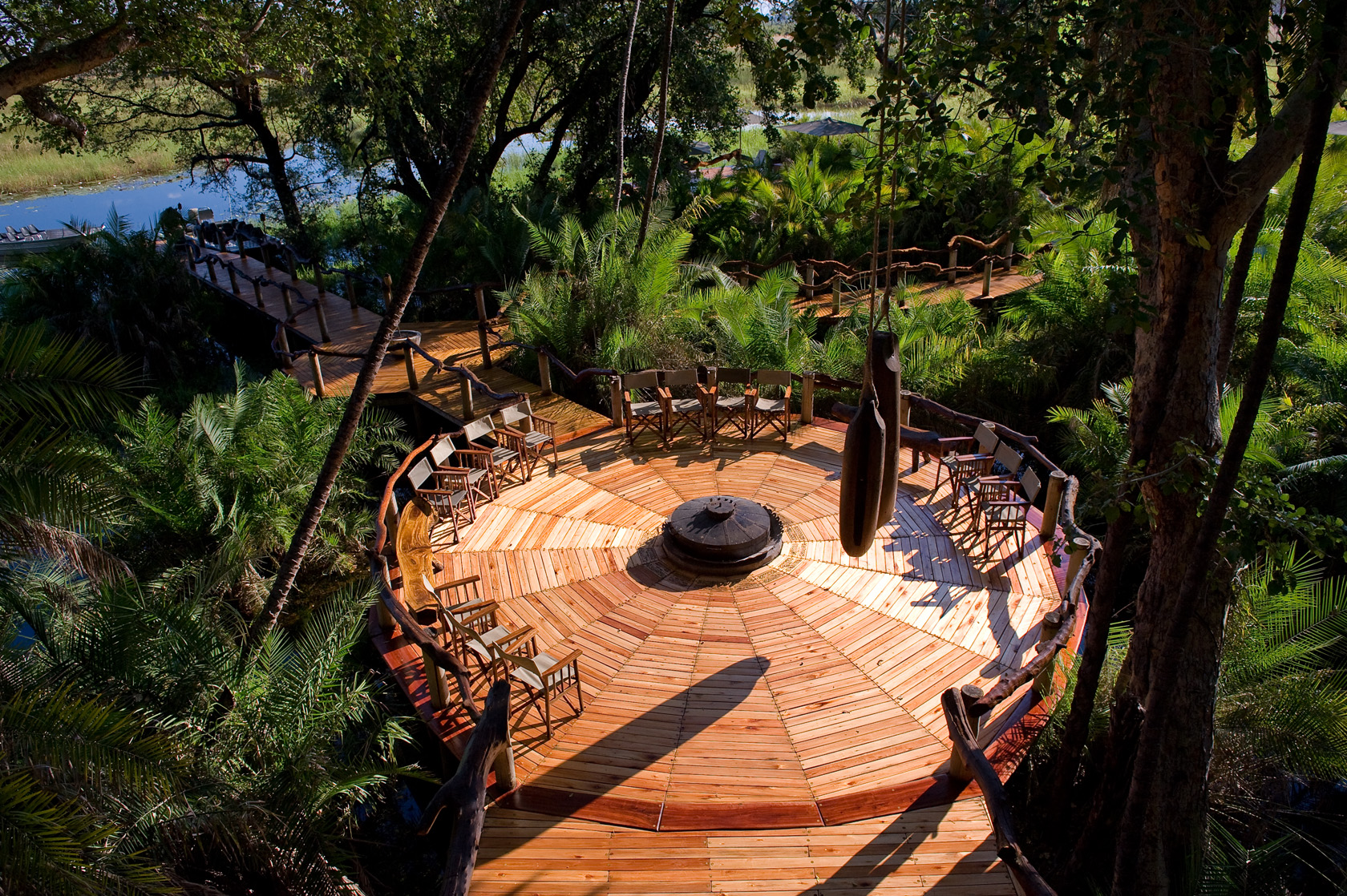
Jao Camp Fire deck 2008
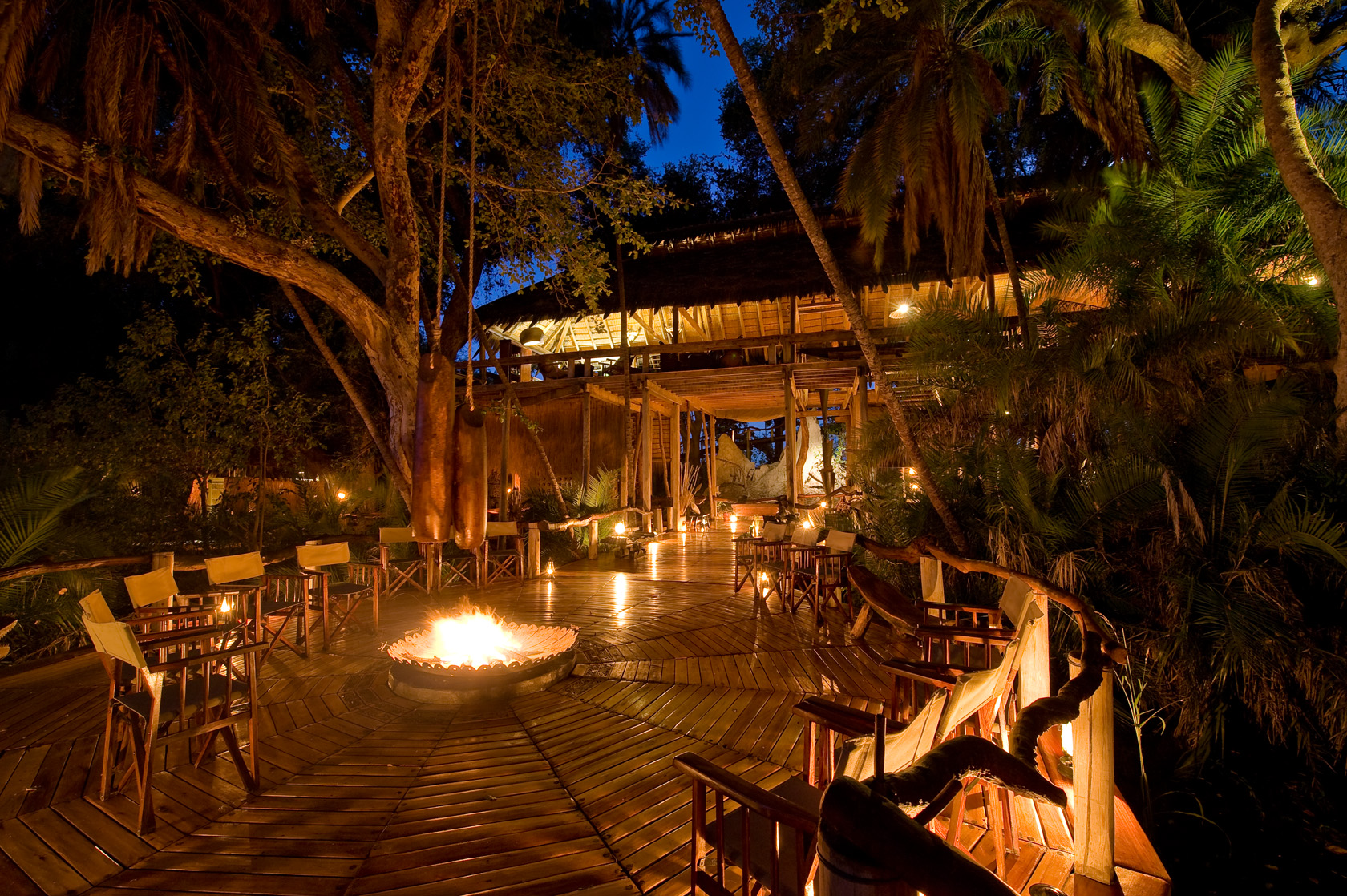
Jao Camp Main Area 2008
Jao Camp Main Area 2003
Jao Camp Main Area 2008
Tubu Tree Camp Main Area 2014
Tubu Tree Camp Tent 2010
Jacana Camp Main Area 2003
Kwetsani Camp Room 2008
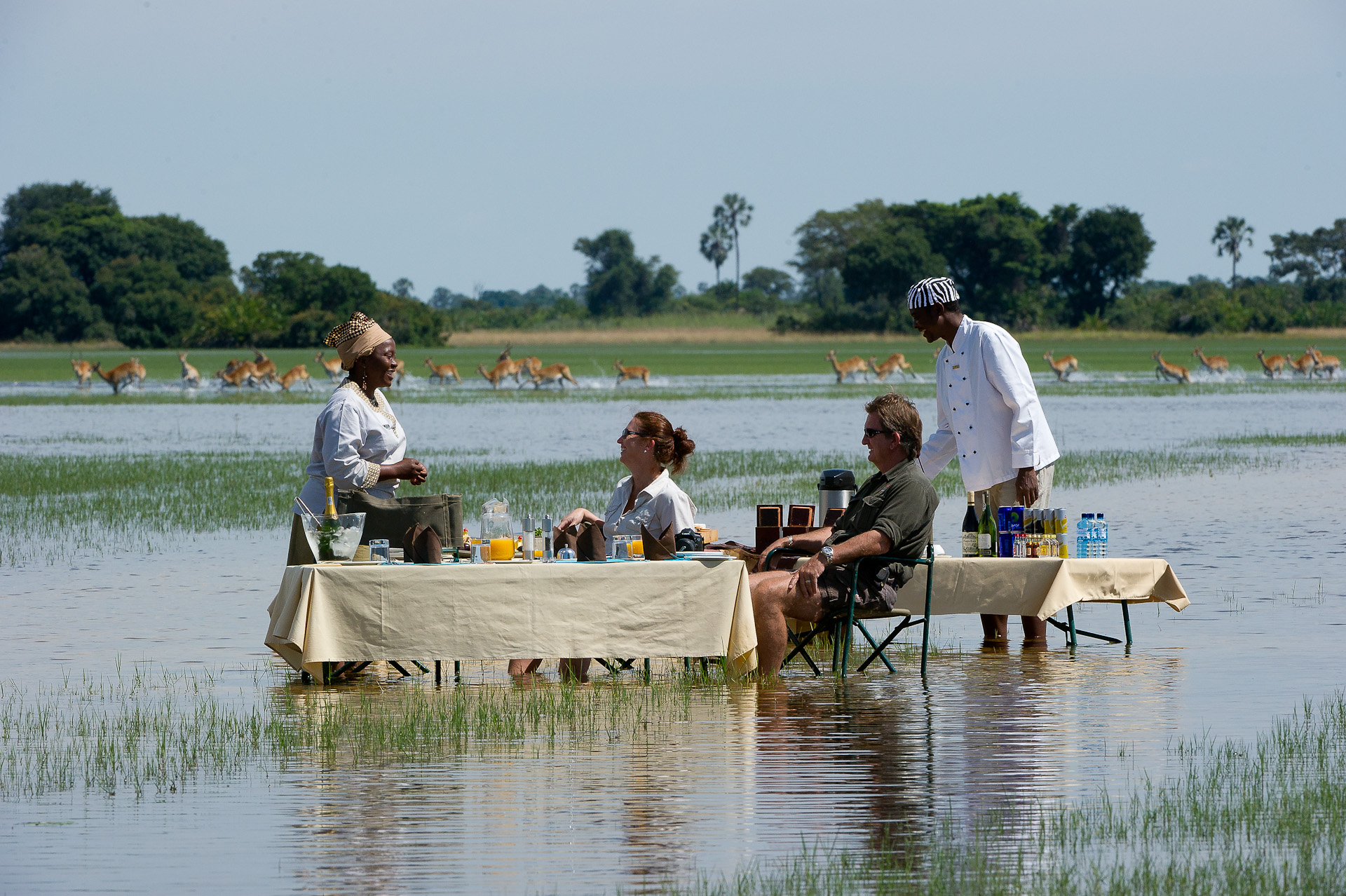
Jao Flood plain brunch 2010
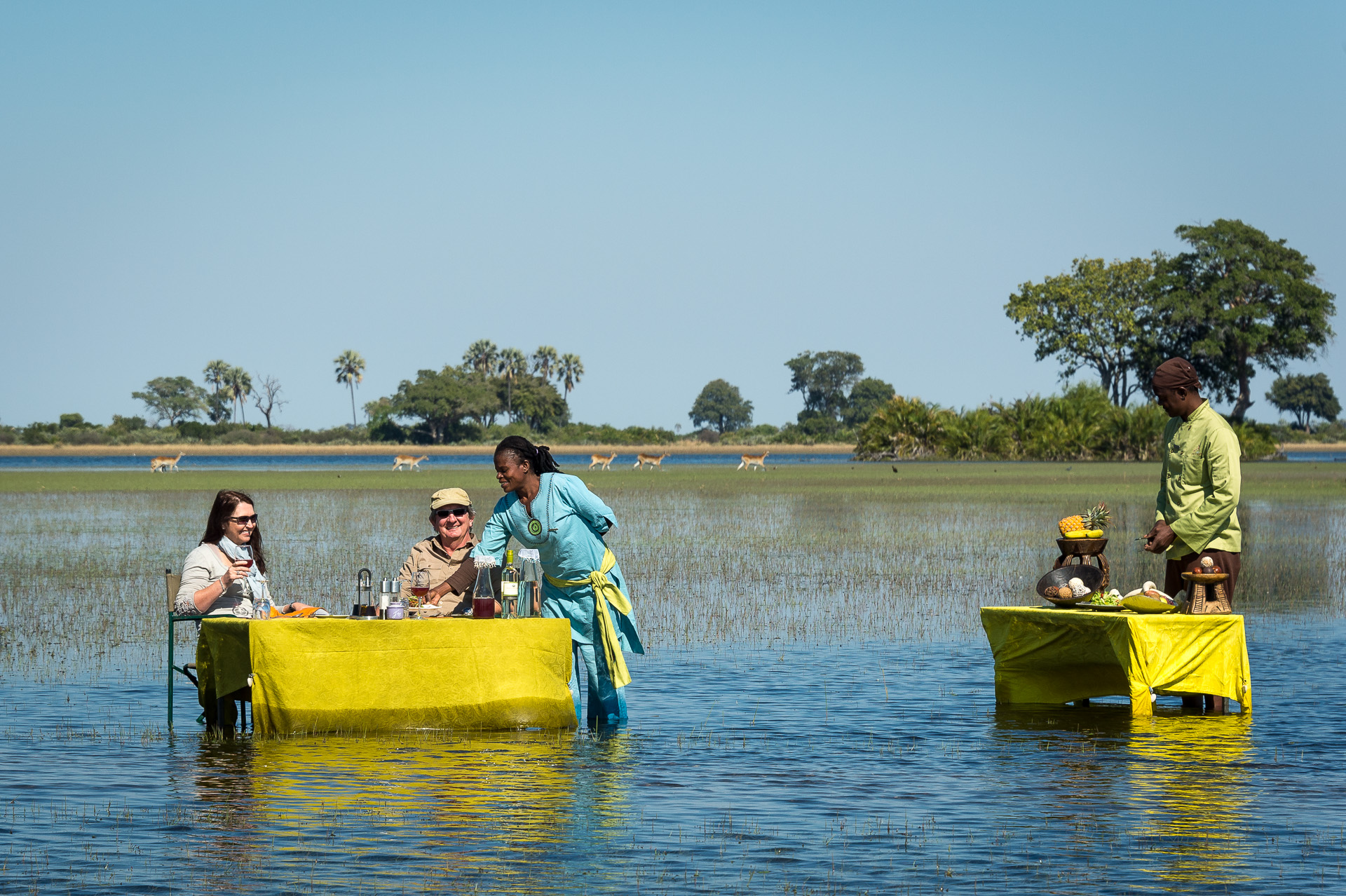
Jao Flood plain brunch 2014
Ngamiland Adventure Safaris
Trading as the Jao Reserve
Ngamiland Adventure Safaris (Pty) Ltd, proudly trading as the Jao Reserve, is a distinguished majority citizen-owned company rooted in the heart of Botswana. Established on 15 July 1998 by the Kays family and Mr. Katimpa Mogalakwe, the company has grown into a leading operator in the Okavango Delta, offering guests a world-class safari experience in one of Africa’s most iconic wilderness areas.
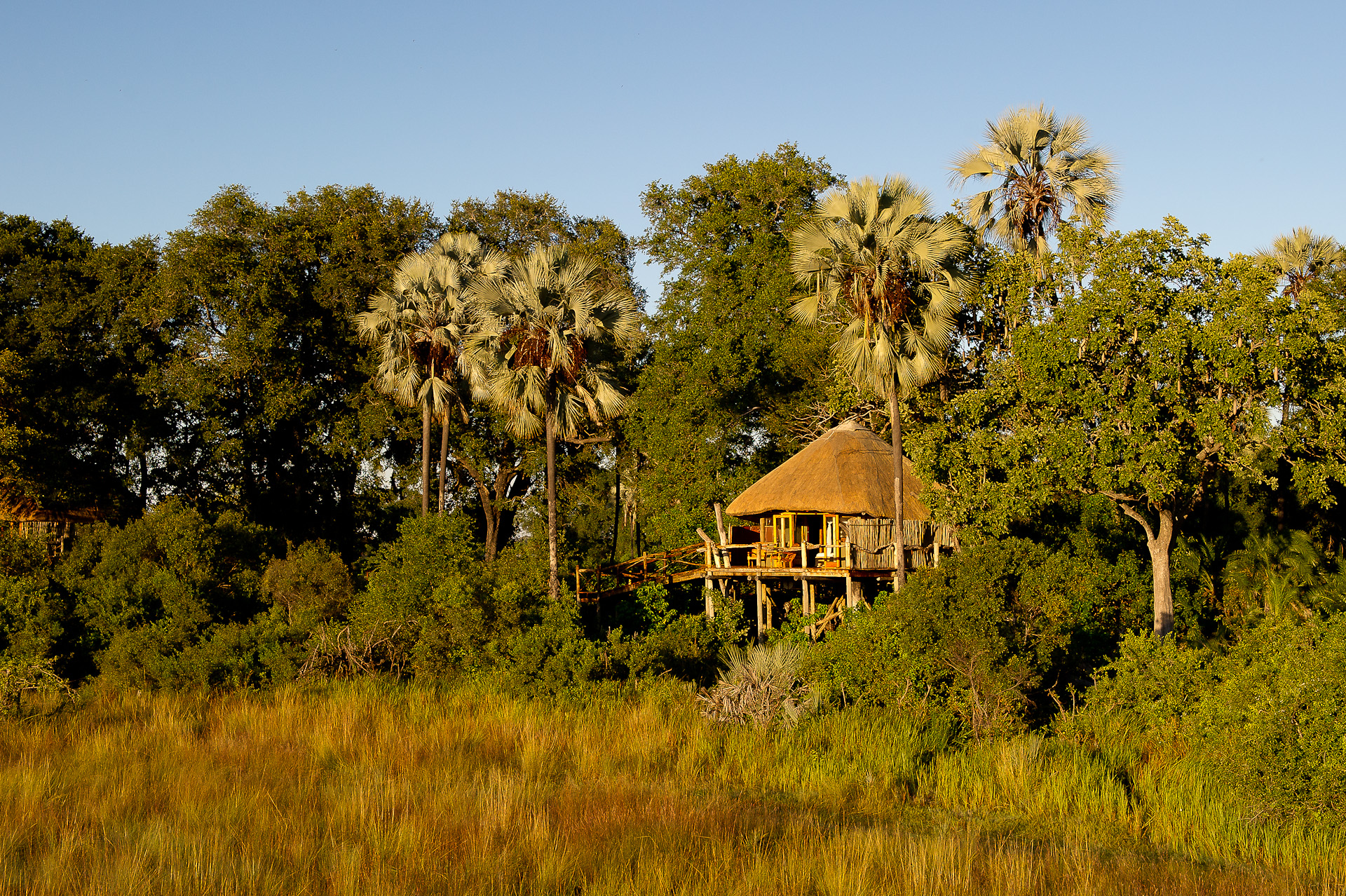
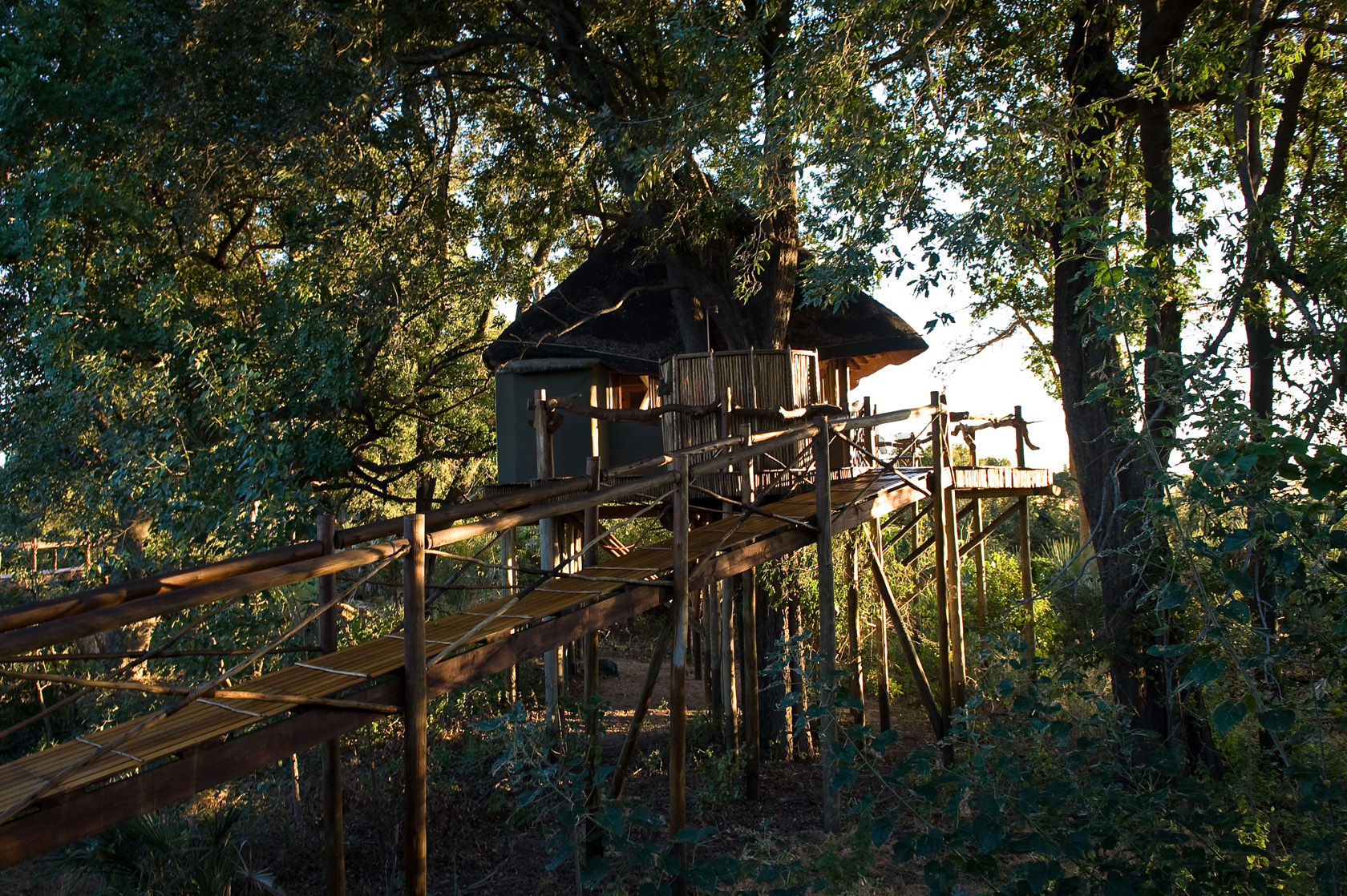
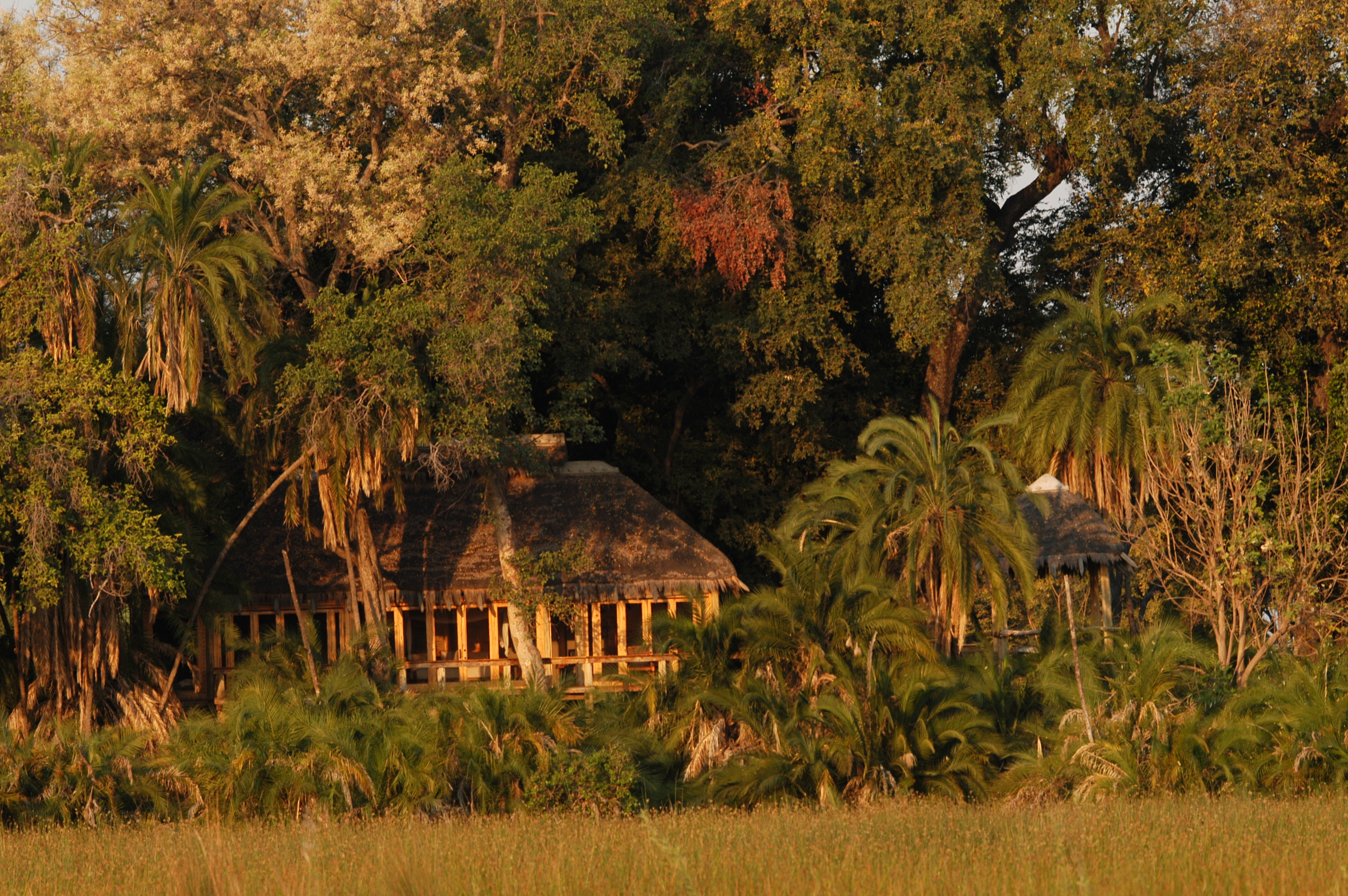
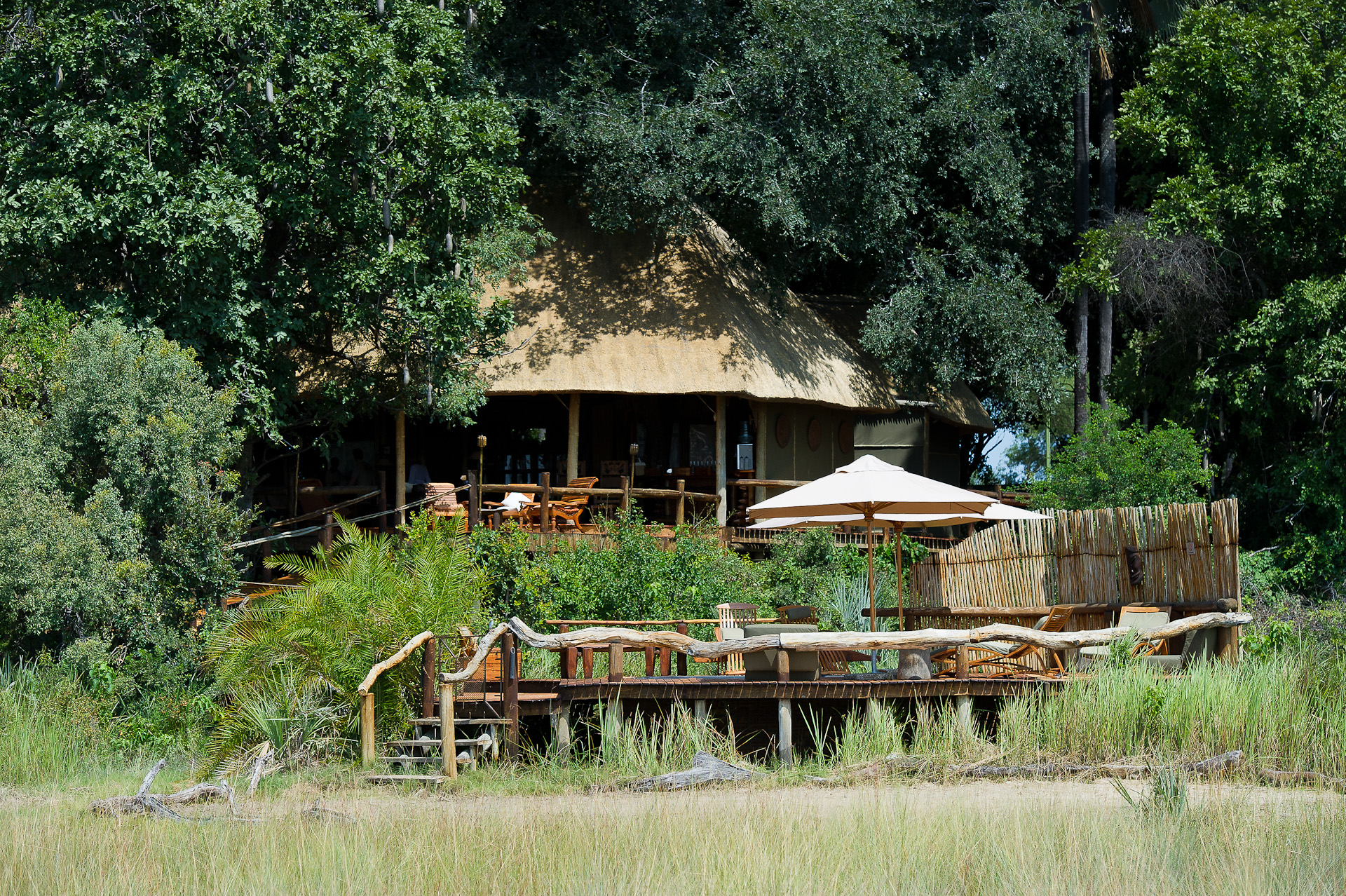
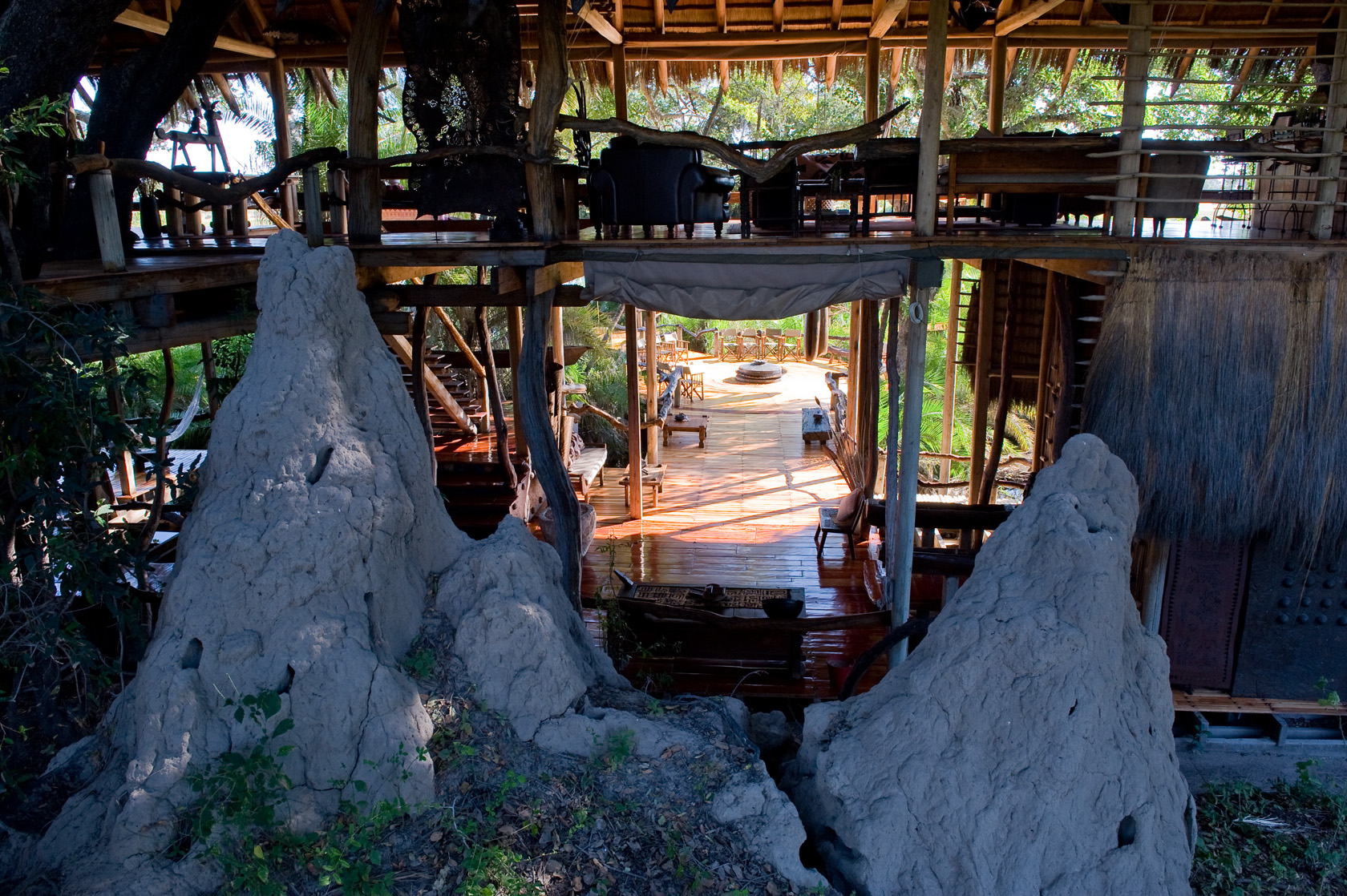
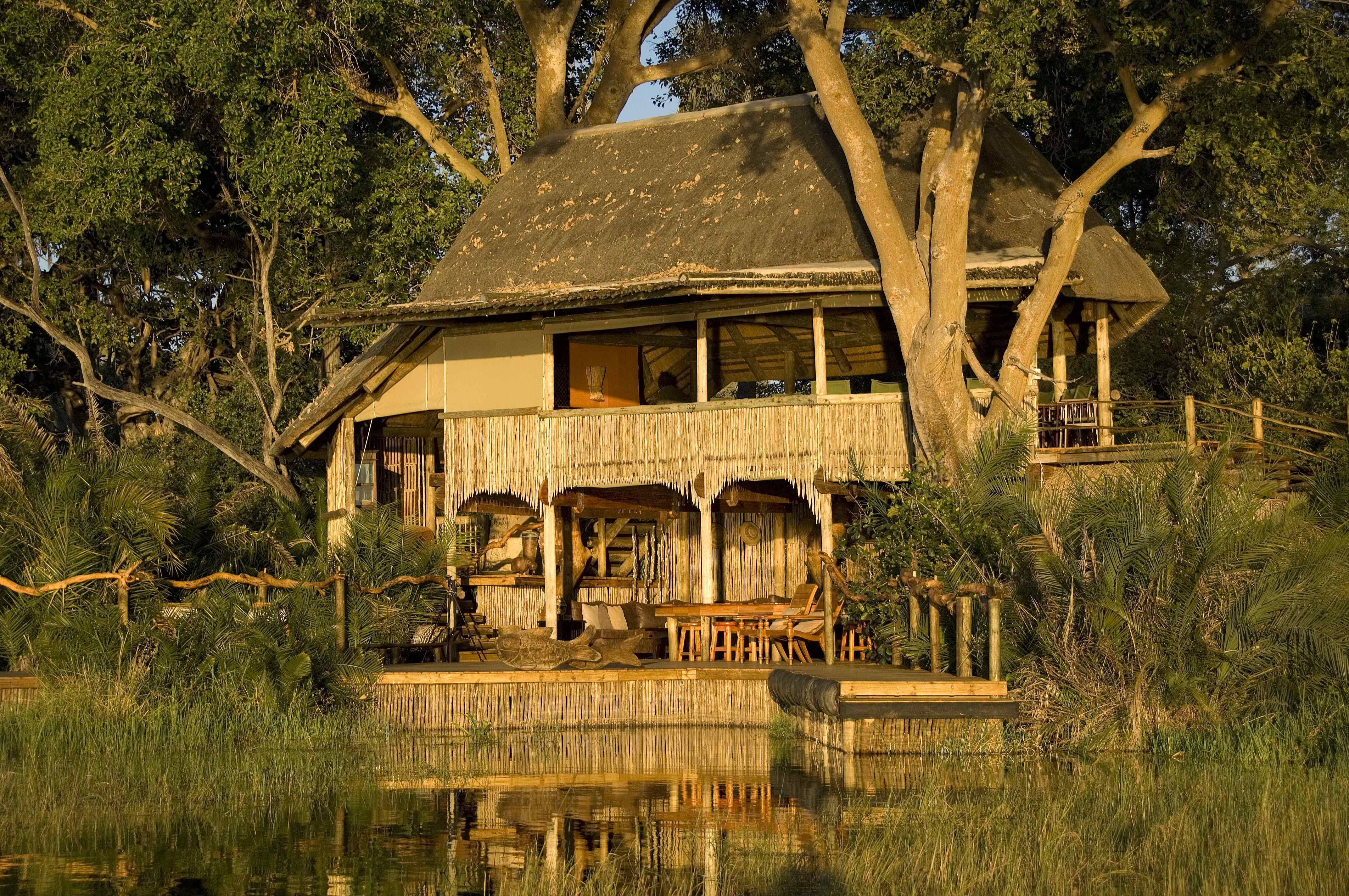
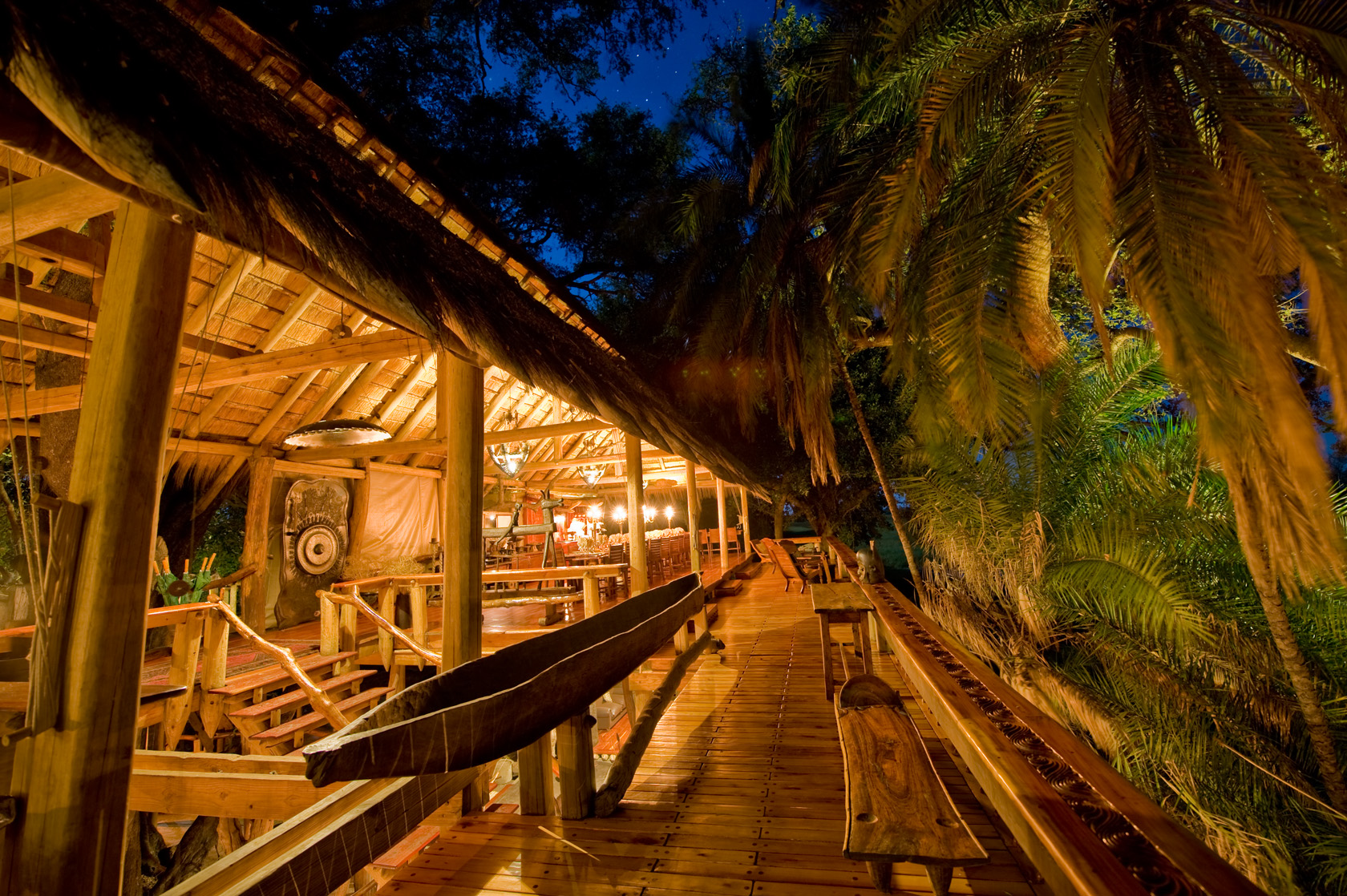
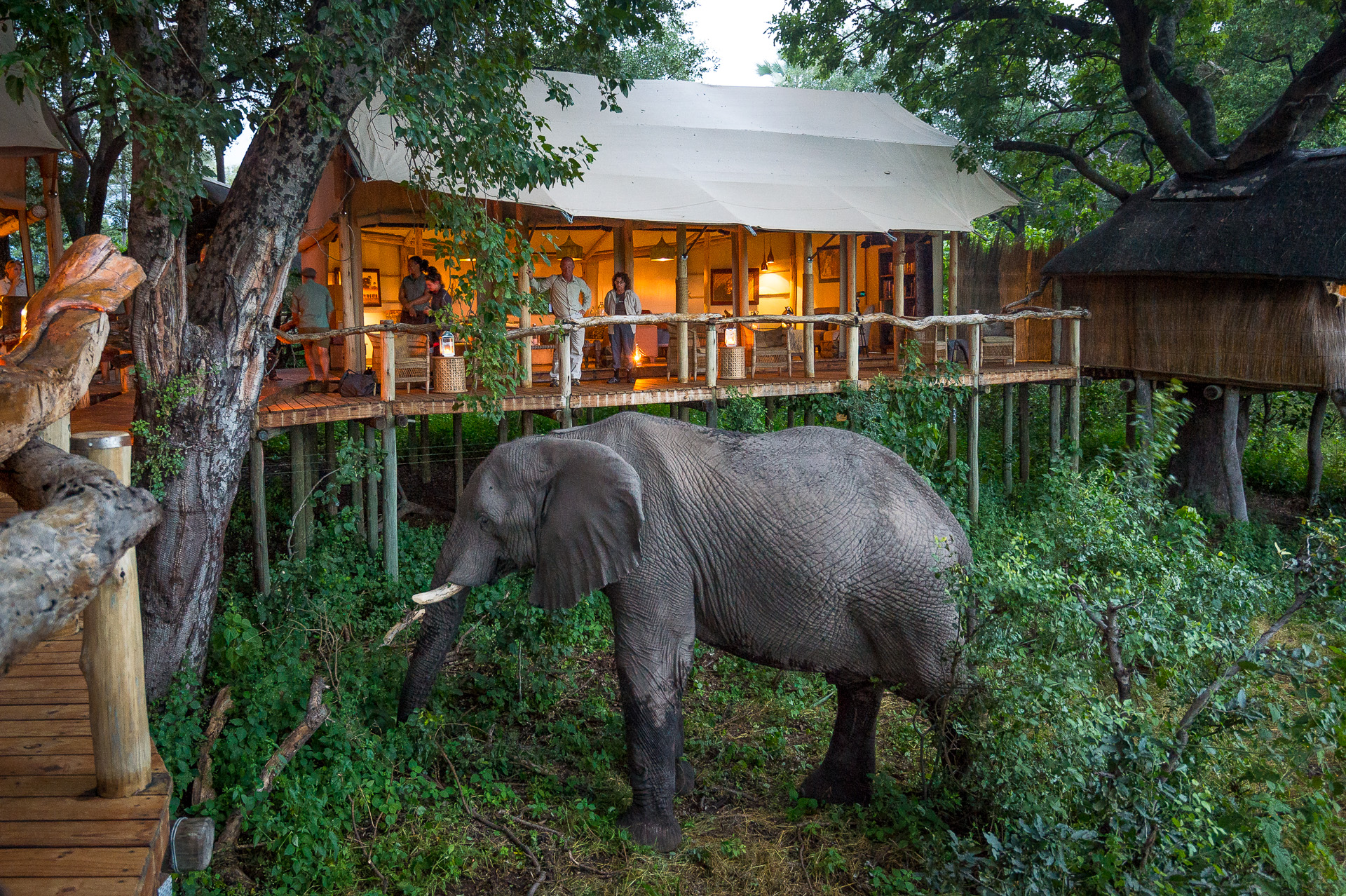
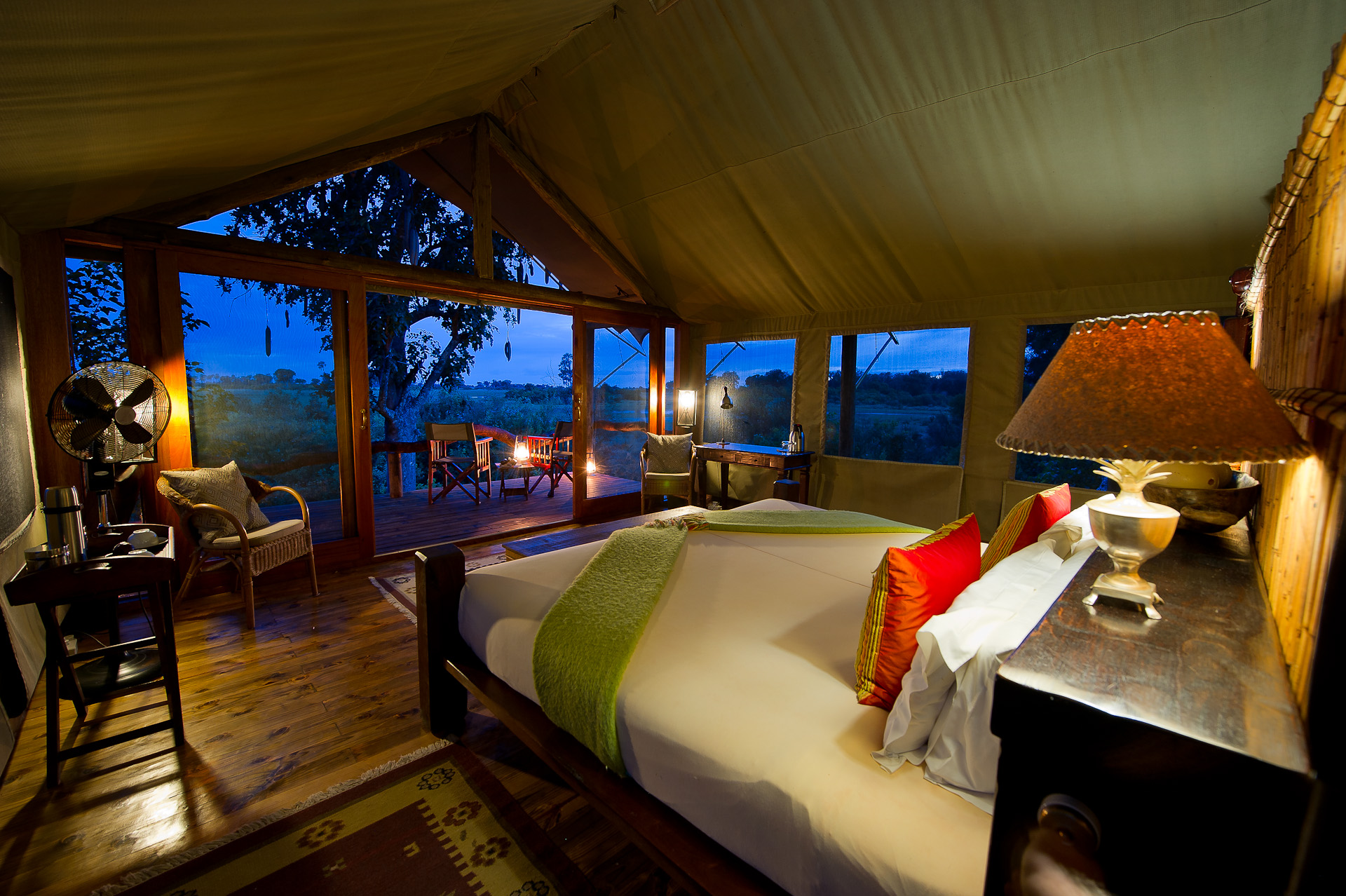
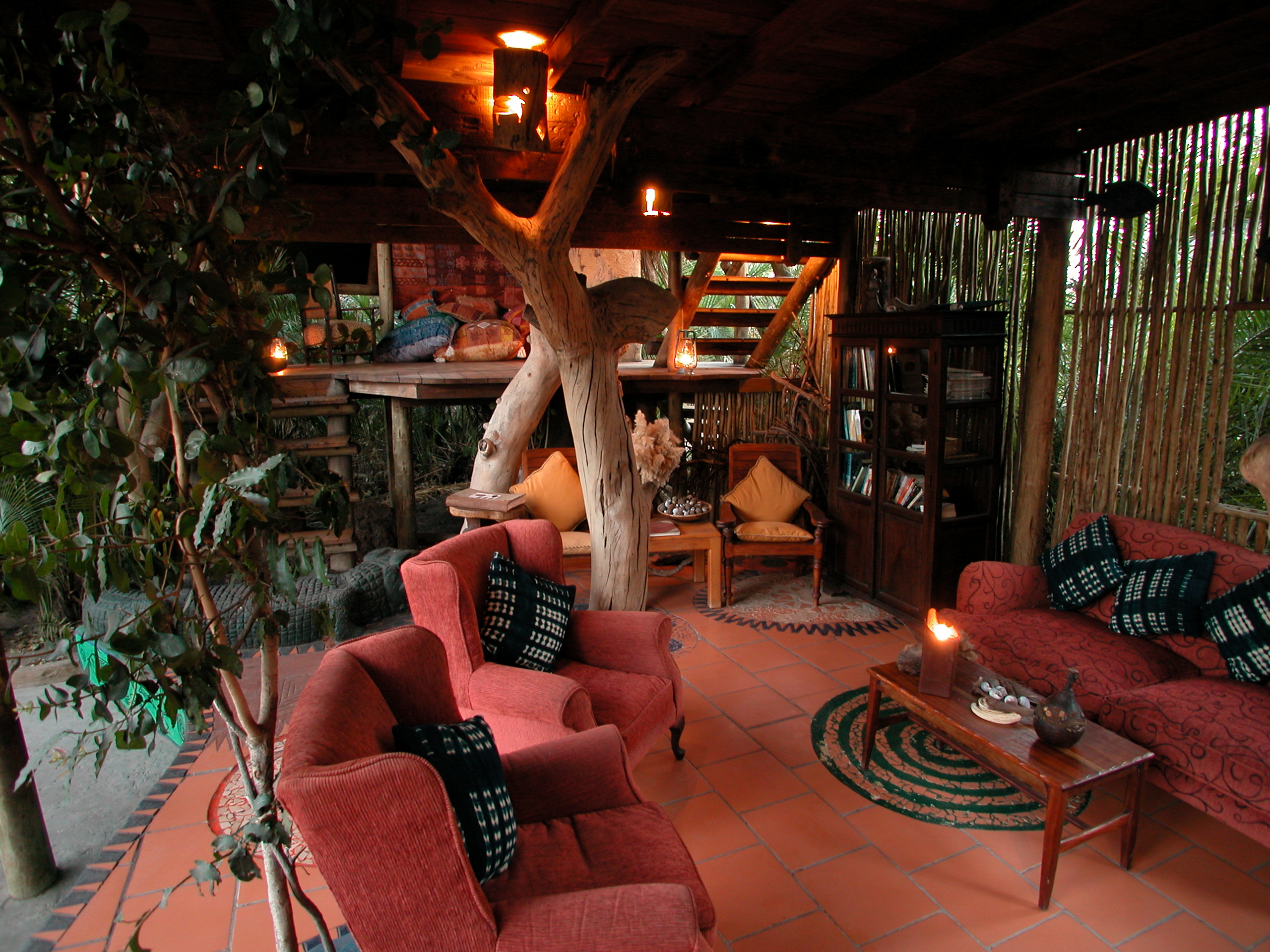
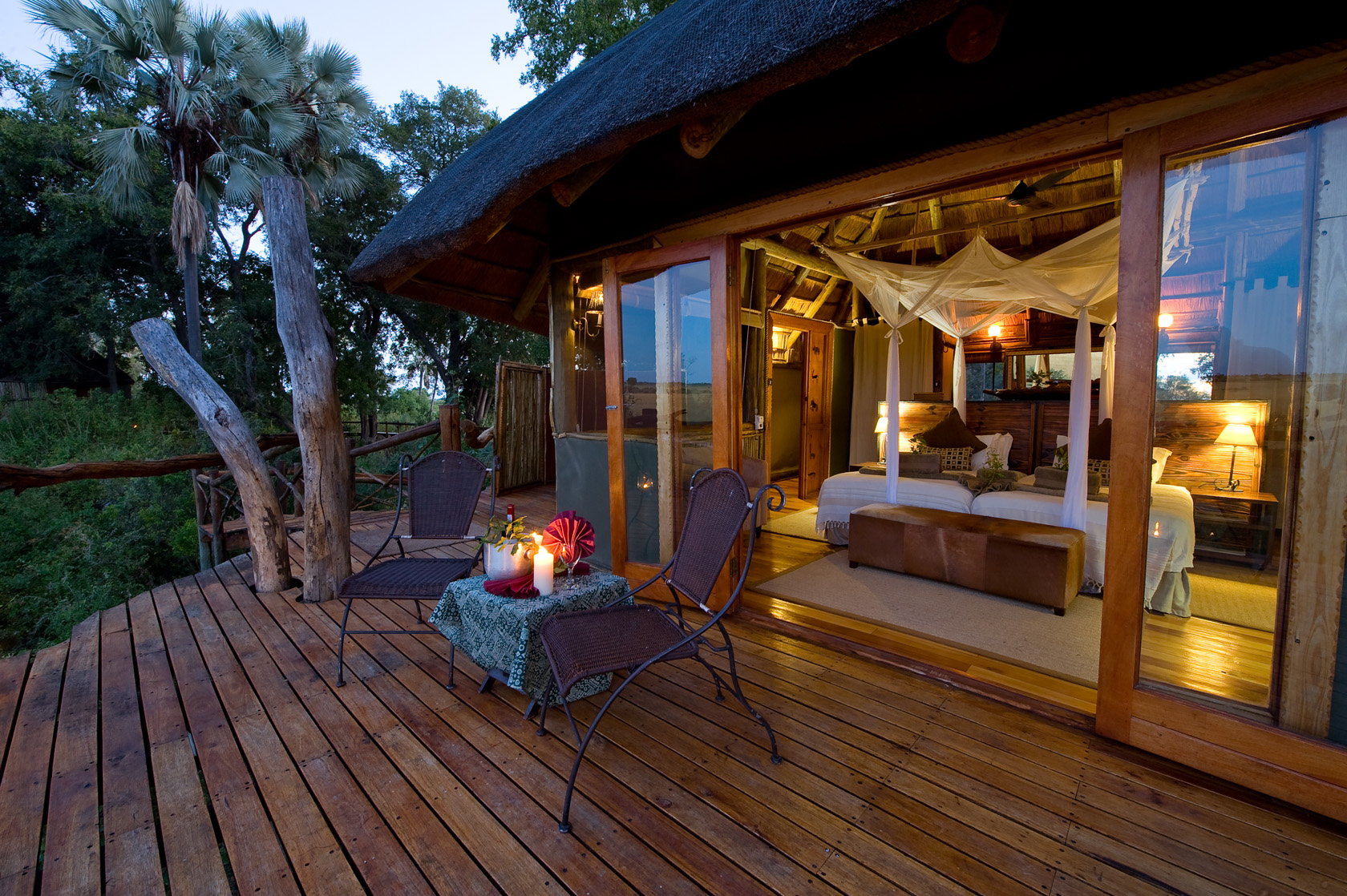
As seen in the pictures to the left, our camps and experiences have transformed significantly over the years, showcasing how our vision has evolved while staying true to the spirit of the Delta.
As seen in the pictures on top, our camps and experiences have transformed significantly over the years, showcasing how our vision has evolved while staying true to the spirit of the Delta.
Since stepping into the family business in 2005, Martin Kays has infused the Jao legacy with renewed vision, spearheading the expansion of their camp collection with additions like Little Tubu and Pelo in 2012.
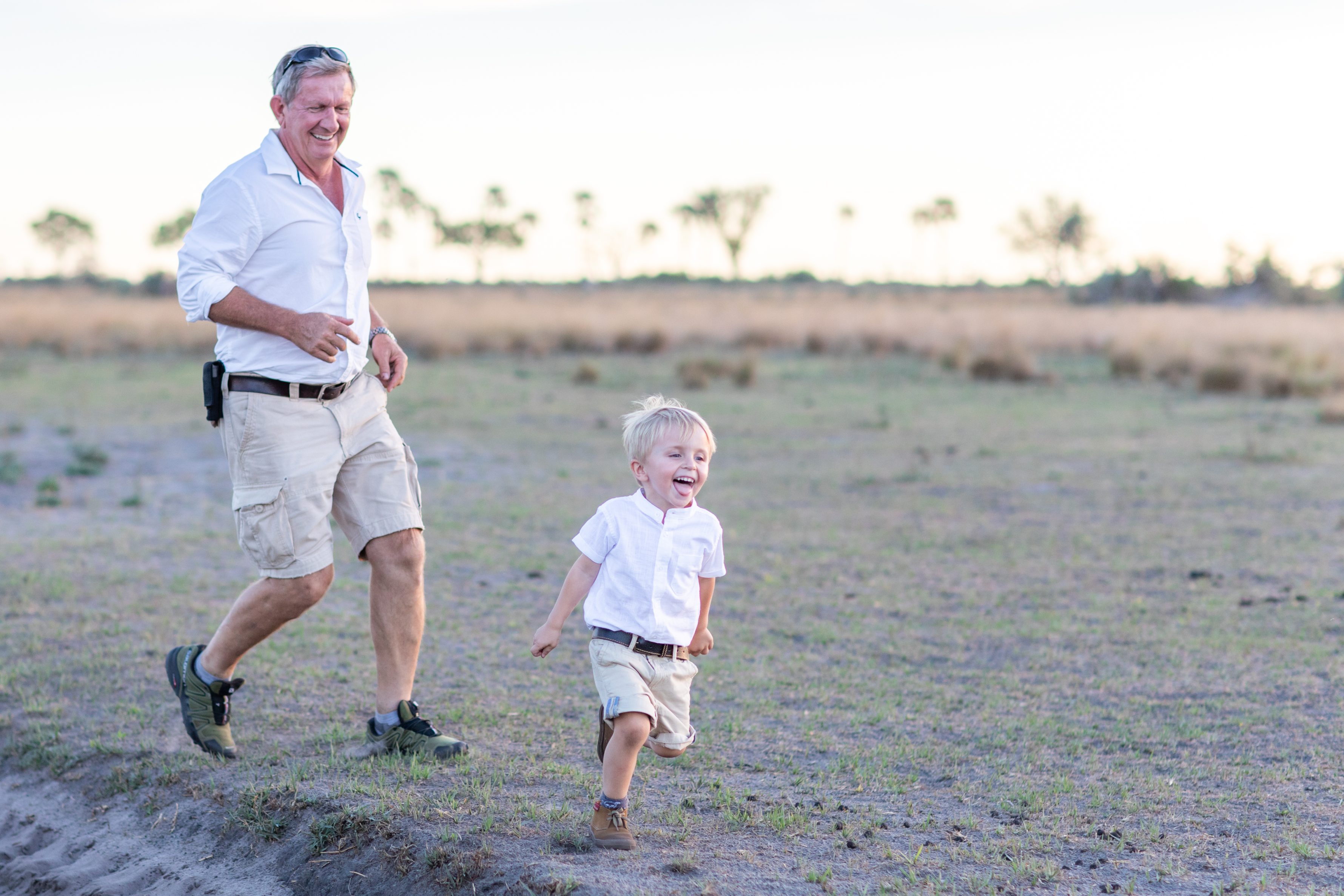
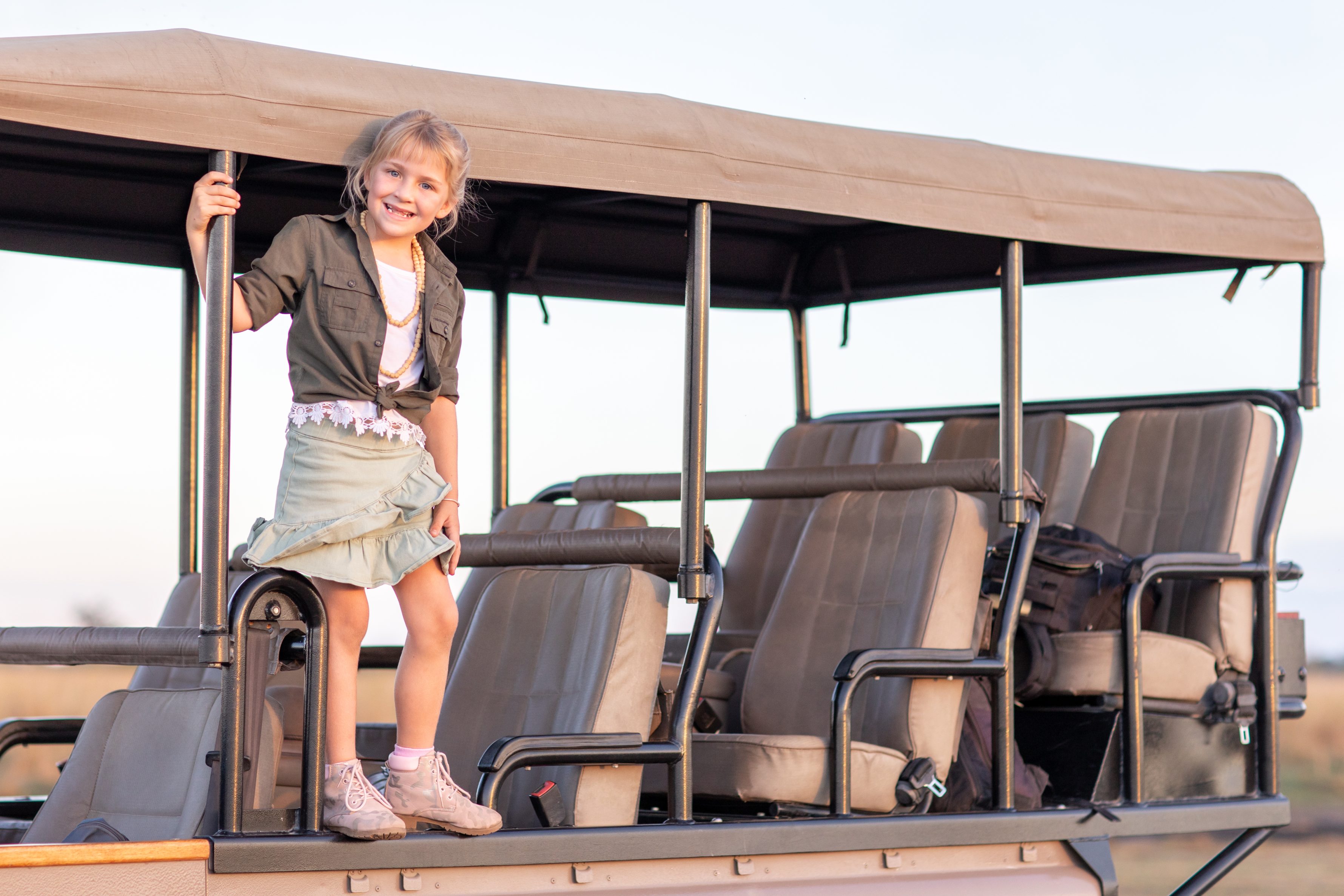
Today, David, Cathy, and Martin remain united by a shared commitment to the Okavango Delta, blending family heritage with a deep-rooted passion for conservation. With Martin’s children now growing up surrounded by this remarkable wilderness, the Kays continue to nurture a lasting legacy, one built on love for the land, respect for its people, and a promise to protect it for generations to come.
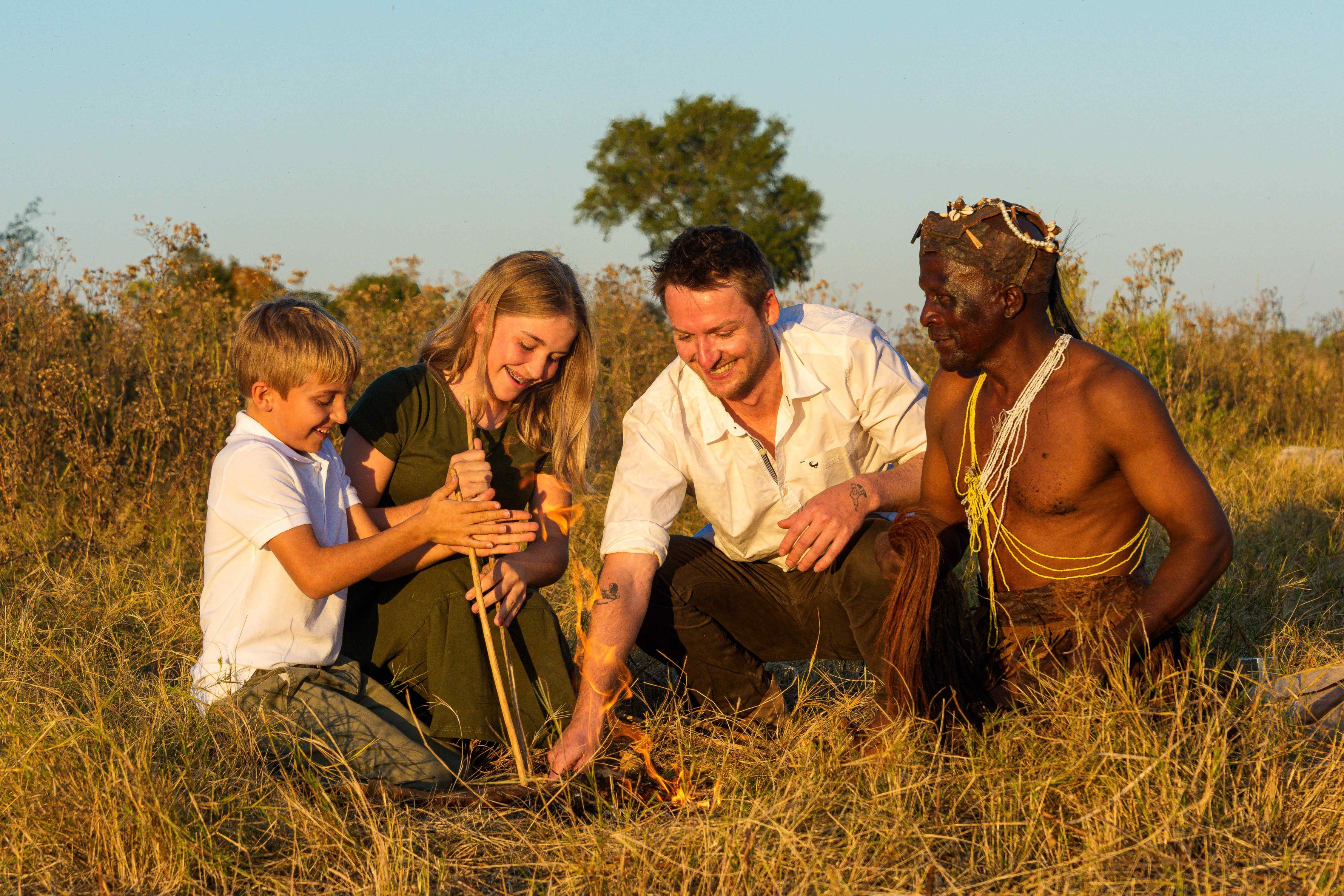
At the heart of everything we do is a deep respect for our people, both our dedicated staff and the surrounding communities. We believe in uplifting those who make our experiences possible, providing meaningful employment, skills development, and opportunities for growth.
Our commitment extends beyond the workplace, as we partner with local communities to support education, conservation, and cultural preservation.
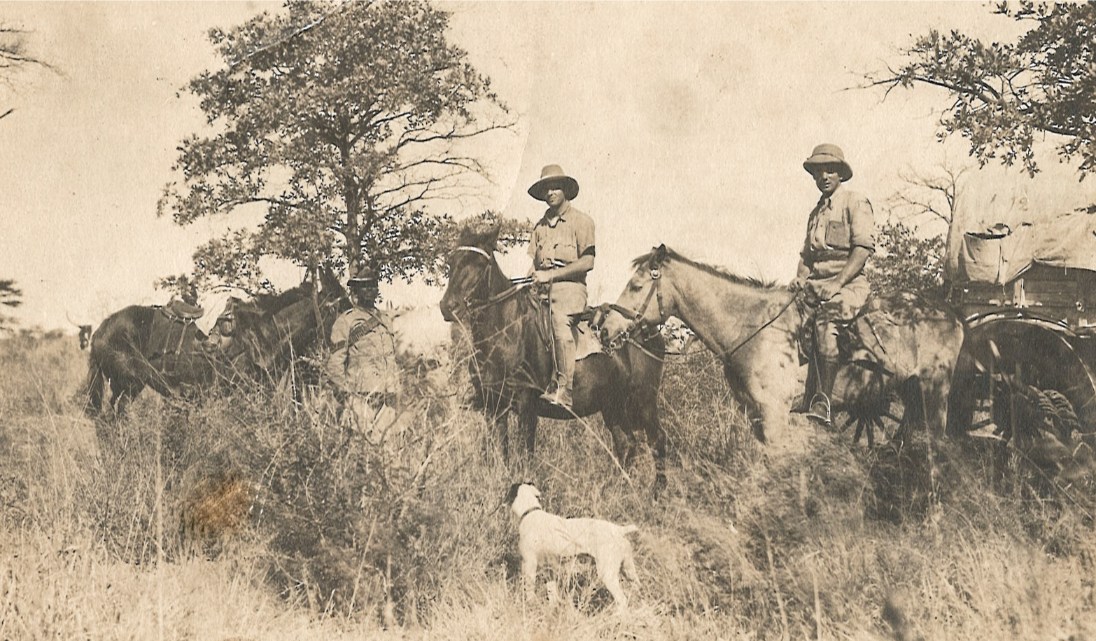
The Kays family history in Ngamiland began in 1887 when Martin Thomas Kays Sr., the grandfather of Ronald Kays, trekked from South Africa with five wagons of trade goods. He spent many years trading and operating throughout the area. He returned to England, where he married and had a son, Martin Thomas Kays Jnr (Tom). He returned to Ngamiland via Namibia in 1908, trading in Swakopmund, Windhoek, and into Ngamiland. He then decided to settle in Botswana, his wife and son joining him in 1909, and they commenced farming in the Ghanzi district. A few years later, the Kays family established a trading company at Tsau, which was at that time, the headquarters of the Batawana tribe. When the Batawana tribe decided to establish a village at Maun and moved its headquarters there around 1915, the Kays family moved with them. They then maintained trading stores in Ghanzi, Tsau, Maun and Kalkfontein.
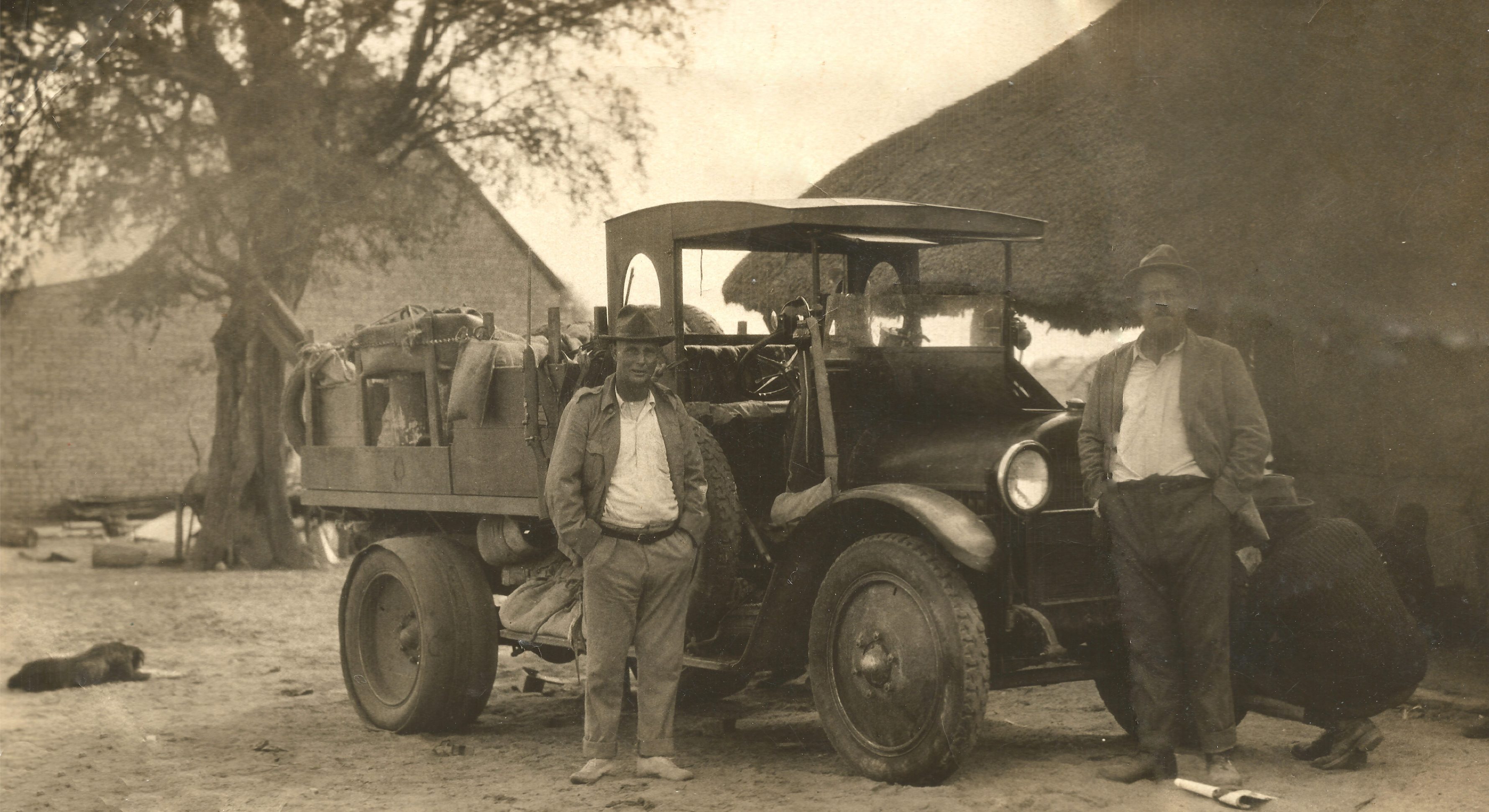
Tom Kays, the father of Ronald Kays, was a pioneer of Ngamiland, always acting with integrity of purpose and enhancing statutory regulations. Through the local trade, it became apparent that the local economy was poor due to a lack of a cattle market in the region. He then began researching and opening a new cattle route from Maun to Livingstone (Zambia), and in 1921, he travelled along that route by ox wagon with the first of Ngamiland’s cattle to be marketed in Livingstone. He was thus instrumental in creating a commercial industry in Maun that resulted in this area’s initial opening and enrichment. In 1928, Tom bought a Dodge car in Livingstone and drove it through to Maun, opening this route to motor vehicles and bringing the first motor vehicle into Maun, which was licensed BPJ1. He later purchased a Chev 1 ½ ton truck from Livingstone, which he used for transport. Depending on sand conditions, it sometimes took 3 days to cover 150 miles. Having brought the first car into Maun, Tom founded the first garage and started selling Shell fuel.
Ronald Kays, with the same foresight and integrity, was one of the first to initiate commercial safari hunting in Ngamiland in the early 1950s, opening up many existing safari hunting areas. In 1958, he became a shareholder in Ngamiland’s first major hotel, Riley’s Hotel, and managed the hotel until 1983. In the 1960s, Ronald Kays was instrumental in advising the Batawana Tribal Authorities in the formation of Moremi Game Reserve, and assisted in the demarcation of the Game Reserve boundaries.
David Kays, grew up in the environment of Riley’s Hotel, where he was exposed to the tourist industry. David later acted as assistant and replacement manager. In addition, he accompanied his family on numerous camping trips into the Okavango and Kalahari areas throughout his early life, gaining extensive bush knowledge and experience.
Cathy Kays grew up on a well-known Private Nature Reserve, Mosdene, in South Africa. Her great-grandfather, Dr EE Galpin, a well-known botanist, originally purchased it primarily for the botanical diversity it offered. As Mosdene was operated under stringent management planning, it was declared a Natural Heritage Site and won a Conservation award. It was also the location of numerous natural history research projects undertaken by various Universities and other Institutions.
Her family’s involvement in those research projects was a focal point throughout the first 20 years of her life. At the same time she was exposed to tourism activities, as Mosdene offered facilities to tourists from all over the world. She studied botany and zoology for 1 ½ years at the University of Witwatersrand, before leaving to marry David Kays and assist him with his business.
The Kays family bought out Riley’s Garage from their other shareholders in 1983, which was their primary focus before this tourism business; the garage has provided essential services to the tourism industries of Ngamiland since that time.
Their backgrounds created the strong need for David and Cathy Kays to involve themselves more fully in the tourism industry so that they may, through the sound management of an area of the Okavango Delta, play a leading role in preserving this heritage for future generations.
The late Katimpa Mogalakwe was from a prominent and well-known Maun family. His uncle, Montsho Mogalakwe, was also instrumental in forming Moremi Game Reserve and served as deputy chief for Ngamiland in Maun. He proved his dedication to the people of Ngamiland through his years of service on the Council and Land Board. Although not directly involved in tourism, he had strong leadership qualities which had always been adeptly applied. His experience with Batswana of all walks of life, would intensify community involvement in the tourism industry. Sadly Katimpa passed away in 2001.
Headquartered in Maun, Botswana, the company operates a collection of boutique safari camps within Wildlife Management Area NG25, a pristine region of the Okavango Delta renowned for its biodiversity and breathtaking landscapes. After successfully securing the tender for NG25 in 1998, the company broke ground on its first camps, Kwetsani, Jacana, and the flagship Jao Camp, all of which welcomed their first guests in July 1999. The portfolio expanded with the addition of Tubu Tree Camp in 2002, followed by Little Tubu and Pelo Mokoro Camp in 2013.
The Jao Reserve is committed to preserving the integrity of the Okavango ecosystem while offering guests a safari experience that is both immersive and deeply luxurious. Each camp is designed with care and purpose, combining elegant design with a strong sense of place. Over the years, the reserve and its camps have received international recognition for their design, guiding, and guest experiences, with Jao Camp garnering attention from global travel publications.
Partnering with Wilderness Safaris in 1998, the Jao Reserve enhanced its marketing efforts. Founded in Botswana in 1983, Wilderness Safaris established a strong presence across Southern Africa, including Botswana, Malawi, Namibia, Zambia, and Zimbabwe. The collaboration strengthened the Reserve’s position in the global safari market, further solidifying its reputation as a premier destination for luxury safaris in the Okavango Delta.
At the heart of the company’s values lies a commitment to sustainability and community upliftment. The Jao Reserve adheres to Botswana’s Eco Tourism Standards, incorporating responsible building practices, renewable energy, and low-impact operations to help safeguard this UNESCO World Heritage Site for future generations.
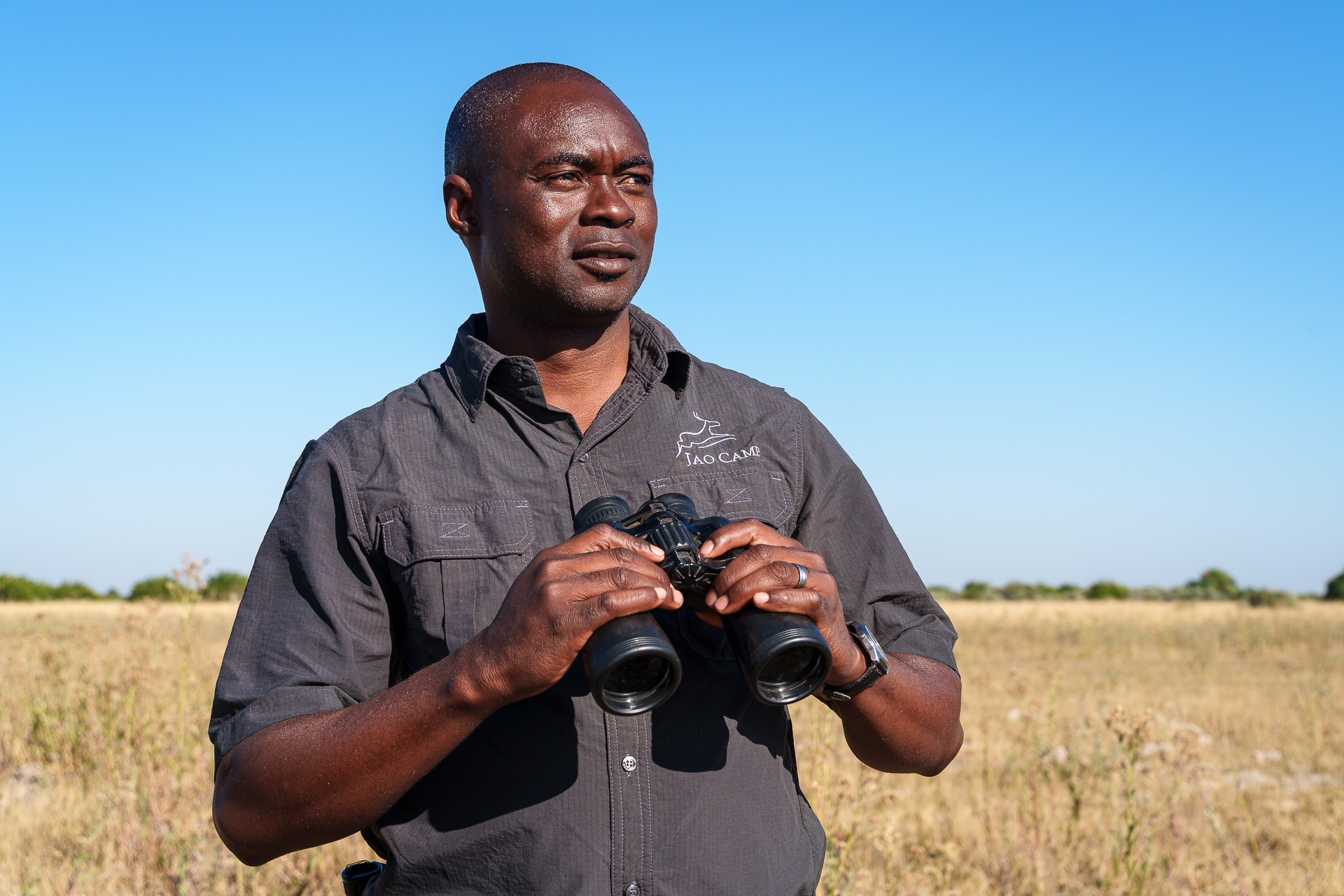
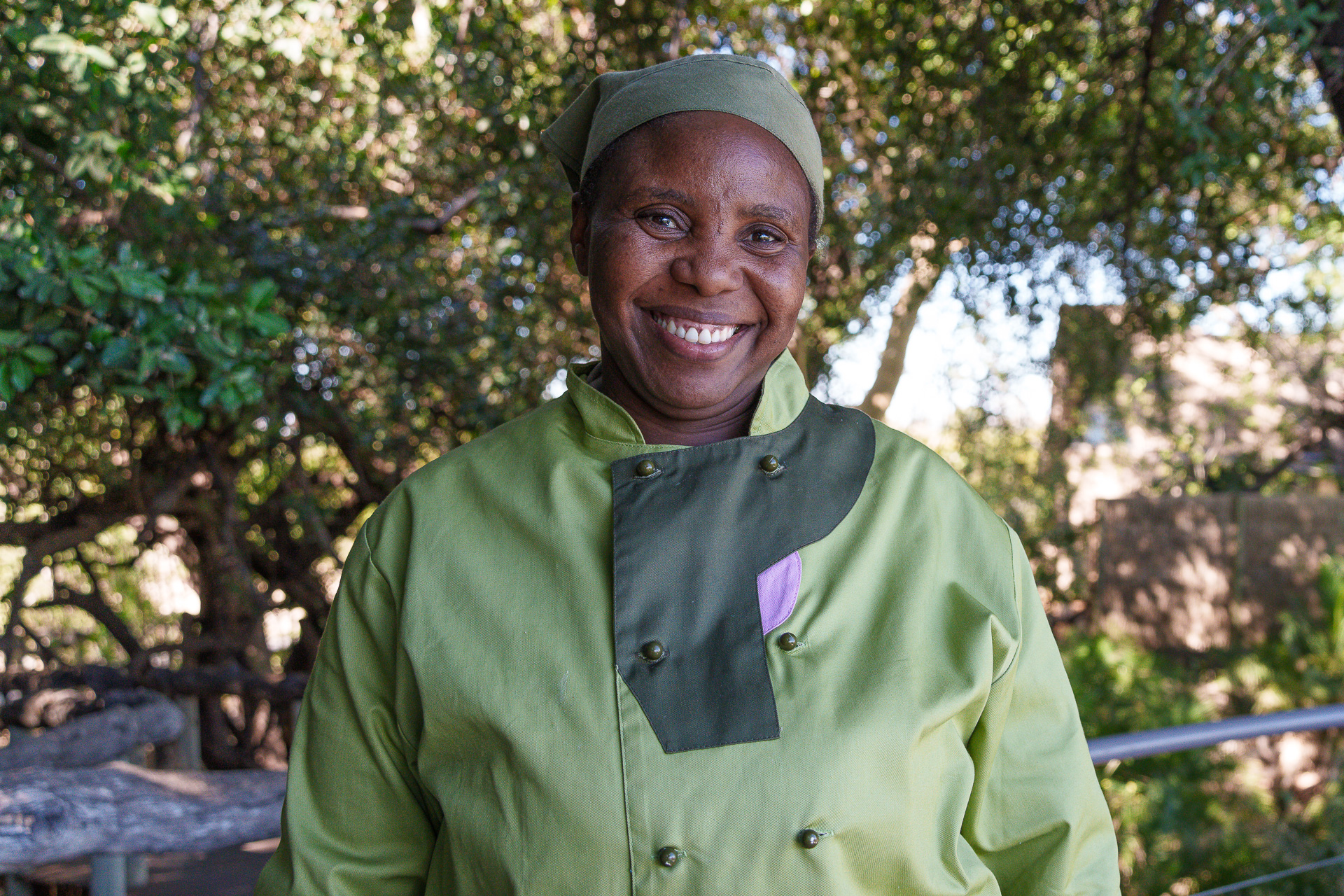
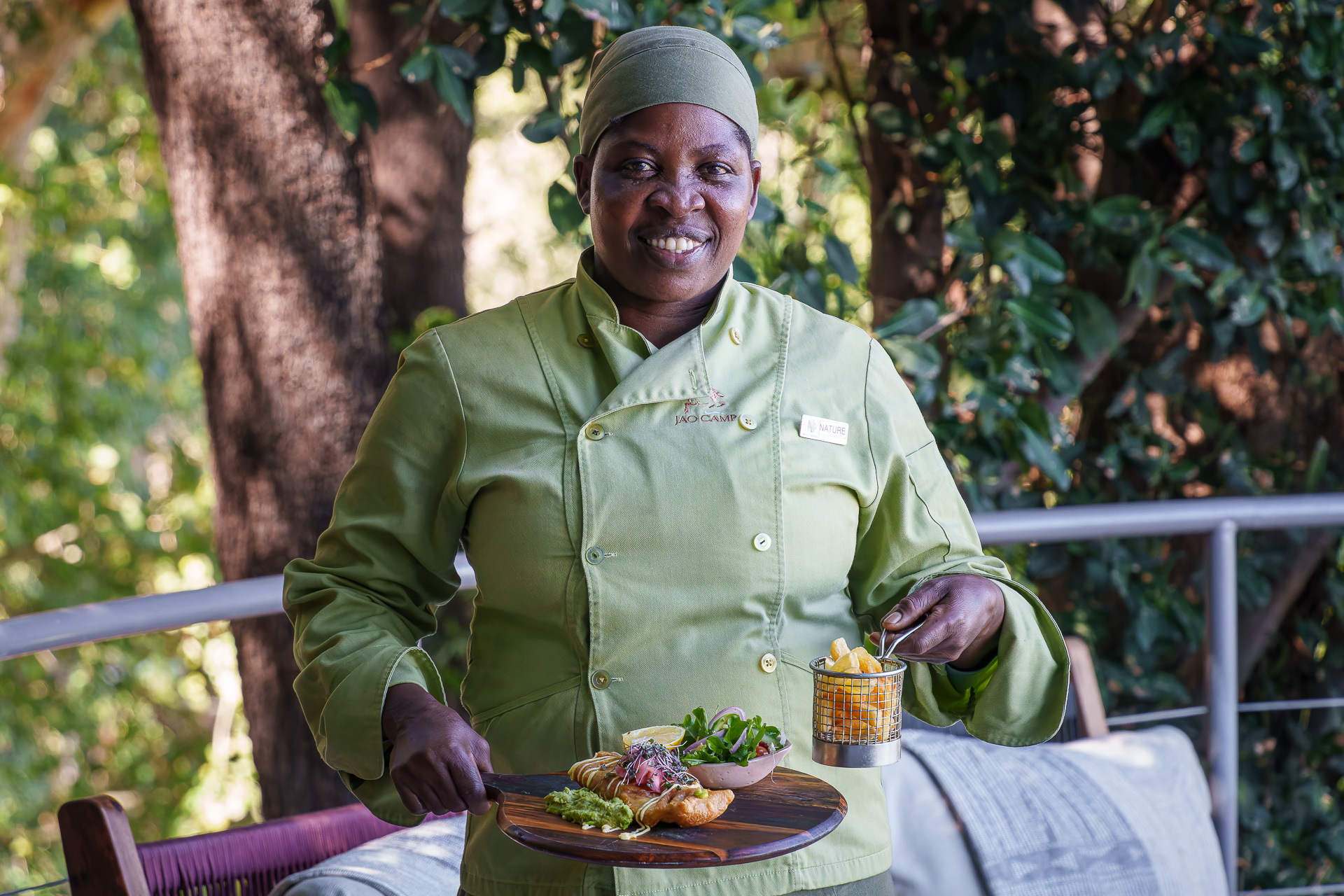
Community involvement is a cornerstone of the company’s approach. Ngamiland Adventure Safaris sources goods and services locally wherever possible and actively supports small businesses and community initiatives across the region. With over 240 employees, the company invests significantly in staff training, skills development, and long-term career growth, creating a culture of excellence and mutual respect.
From exceptional hospitality and unforgettable wildlife encounters to a deep-rooted dedication to conservation and people, the Jao Reserve offers more than just a safari; it provides a meaningful connection to Botswana’s natural and cultural heritage.